Song Meaning
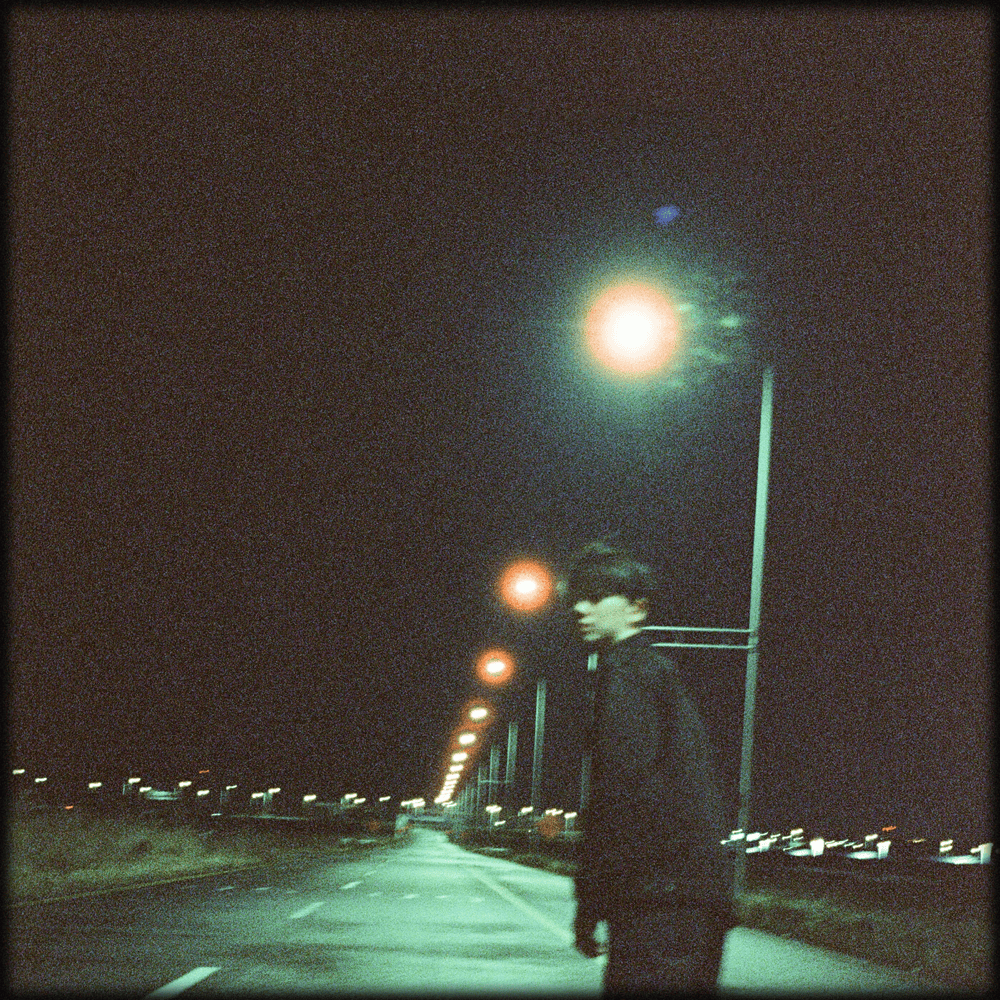
The lyrics paint a picture of quiet introspection, where the narrator observes the world with a sense of detached melancholy. A cold wind blows through the streets, yet nothing remarkable happens, mirroring the narrator's own uneventful day. This stillness, however, isn't necessarily negative; it's framed as a prelude to a beautiful, imagined encounter. The narrator contemplates a "you" waiting beyond the evening, a thought that brings a sense of peace, even if it's just a fleeting idea.
The central tension lies in the narrator's acceptance of fading and loneliness, contrasted with the enduring beauty they find in memory and anticipation. While acknowledging that fading might not be without regret and certainly isn't easy, the lyrics insist on its inherent loveliness. This is echoed in the pre-chorus, where even sighing at the thought of the "you" is deemed beautiful. The narrator seems to find solace not in grand events, but in the quiet, internal experience of remembering and imagining.
A striking element is the persistent assertion of beauty in what might otherwise be perceived as sorrowful or lonely moments. The lyrics state, "It might be sad to some, but I know it's not like that at all." This perspective reframes the "endlessly falling" feeling and the arrival of "silent loneliness" not as despair, but as part of a larger, beautiful picture. The recurring image of the "you" waiting beyond the evening, and the commitment to think of them even as eyes close, solidifies this focus on a cherished, perhaps idealized, connection.
Ultimately, the effectiveness of these lyrics stems from their gentle, almost wistful embrace of impermanence and quietude. The narrator’s ability to find beauty in the mundane, in the imagined presence of another, and even in the act of sighing, creates a profound sense of peace. The commitment to hold onto this imagined connection, even in the face of fading days and lonely moments, resonates as a quiet testament to the enduring power of cherished thoughts and memories.
 View Artist