Song Meaning
The lyrics paint a stark picture of a relationship fractured beyond repair, where even good memories are feared to have become painful scars. The narrator acknowledges the cycle of arguments has made reconciliation impossible, leaving behind a sense of brokenness. There's a resignation to the fact that the shared past, once vibrant, will fade into insignificance, much like worn-out shoelaces. The dominant emotional tone is one of weary acceptance and a quiet plea for release from the lingering connection.
The central tension lies in the inevitable dissolution of the relationship and the painful process of forgetting. The narrator anticipates a future where both individuals will move on, adopting a facade of indifference. This is underscored by the repeated phrase "등을 돌리고 서로 모른 척" (turning our backs and pretending not to know each other), highlighting the deliberate act of severing ties. The desire to "let me go, I'll let you go" becomes a mantra for this painful separation.
The most striking craft element is the simile comparing shared days to "오래된 신발끈처럼" (like old shoelaces). This simple, everyday image powerfully conveys the idea of something once essential and functional becoming frayed, forgotten, and eventually discarded without a second thought. It grounds the abstract pain of a breakup in a tangible, relatable object, emphasizing the gradual and mundane nature of the fading connection.
Ultimately, the lyrics resonate because of their unvarnished portrayal of a love's aftermath. The narrator's acceptance of the inevitable, coupled with the poignant imagery of forgotten shoelaces, captures the quiet sorrow of a relationship ending. The repeated "Let me go, I'll let you go" isn't a desperate plea, but a somber acknowledgment that freedom, however painful, is the only path forward.
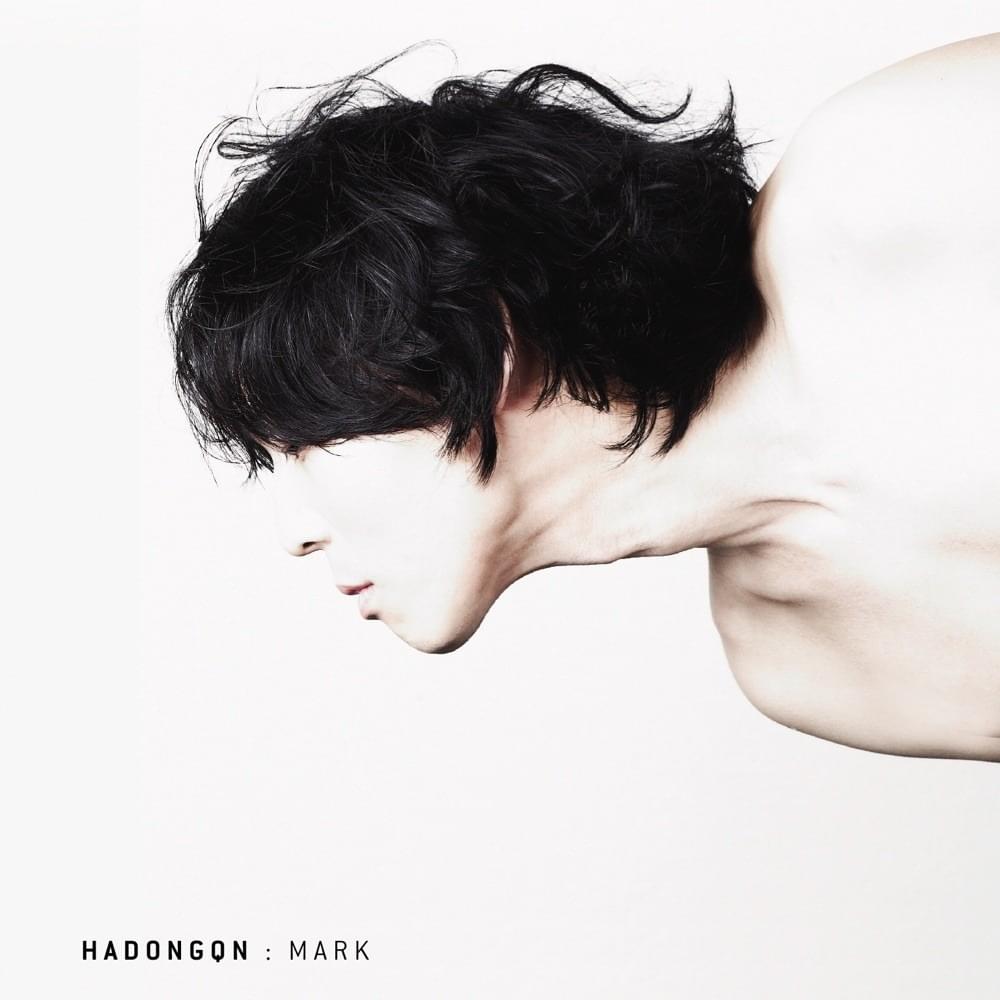
 View Artist