Song Meaning
The lyrics paint a vivid picture of a specific, cherished past moment, anchored firmly in 1995. The narrator recalls a time when music felt paramount, tied to a vibrant "scene" and the exhilarating rush of a "first tour." This era is presented as a golden age, a period of intense personal connection and ambition where the narrator felt truly alive and understood, especially within a close-knit "family tree" that was just "you and me." The initial lines, "So Fresh, So Green / Back then there was a scene," immediately establish a nostalgic tone, suggesting a youthful, unblemished idealism associated with that specific year and the music that defined it.
The core tension arises from the contrast between this idealized past and the present, or a perceived future. The repeated declaration, "I'm not coming home, this is where I want to be," coupled with the realization that "Time flies, it goes by and then you realize," suggests a profound choice or a necessary severance from a previous life. The narrator is choosing to remain in the orbit of that 1995 feeling, even if the year itself has passed, because the alternative – returning to a place where "there's no one there for me" – is unappealing or nonexistent. This creates a powerful sense of commitment to an identity forged in that specific time and experience.
The most striking element is the insistent repetition of "I thought this was the only life for me in 1995!" This refrain, delivered multiple times before shifting to the resolute "I'm not coming home, this is where I want to be," reveals a subtle but crucial evolution. Initially, the narrator *thought* it was the only life, implying a potential naivete or a dream that might have seemed unattainable or even illusory. However, the subsequent, more grounded declaration suggests that the *experience* of that life, or the pursuit of it, has become the actual reality and the desired destination, regardless of the calendar year. The shift from past tense "thought" to present tense "is where I want to be" solidifies this.
This lyrical construction is effective because it taps into the universal longing for a peak experience, a moment when life felt perfectly aligned and brimming with potential. The specificity of "1995" grounds this feeling in a concrete memory, making the emotional weight palpable. The narrator isn't just reminiscing; they are actively choosing to inhabit the spirit of that time, highlighting how formative experiences, particularly those tied to passion and belonging, can shape our sense of self and our future desires, even years later.
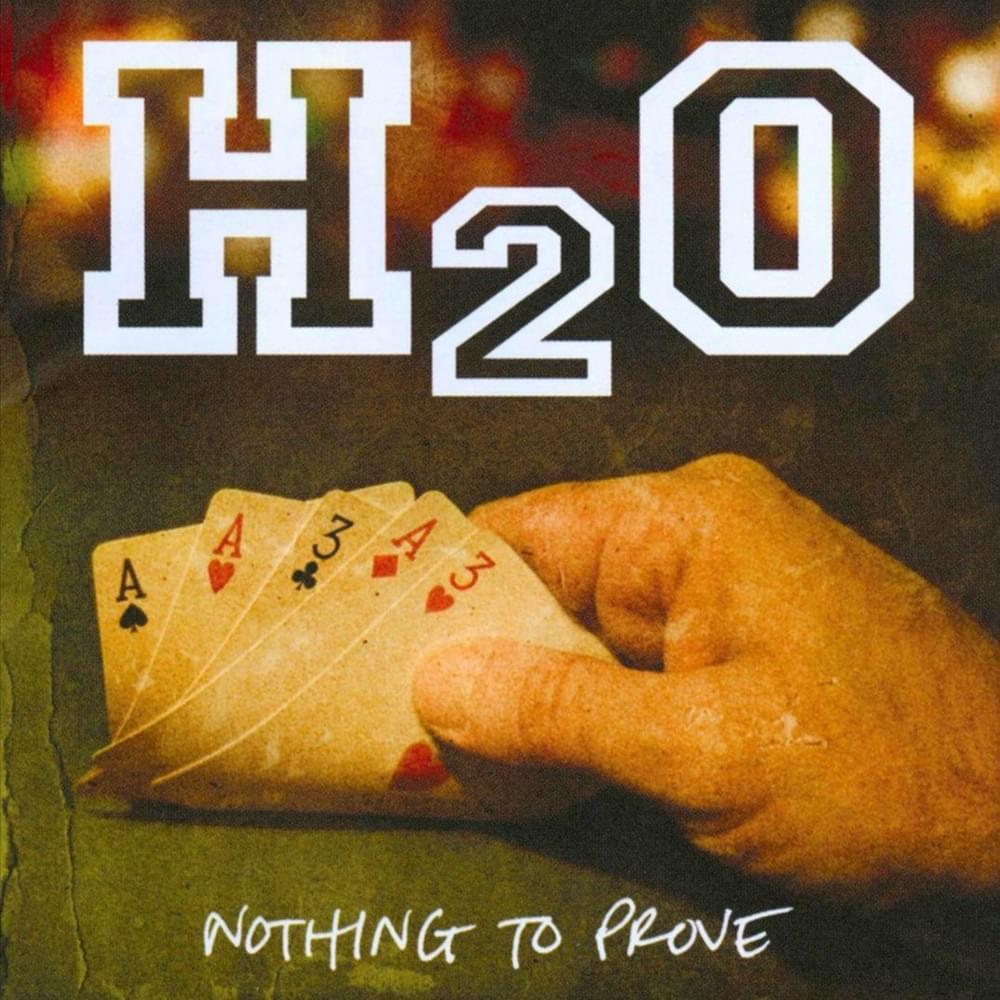
 View Artist