Song Meaning
The lyrics paint a stark picture of post-party solitude, where the lingering quiet amplifies a sense of isolation. The repeated phrase "När alla vännerna gått hem" (When all the friends have gone home) acts as a somber refrain, immediately establishing the scene of an empty room after the revelry has faded. This quiet, however, isn't peaceful; it's a space where "mörkret det skrämmer igen" (the darkness scares again), suggesting that the absence of company brings back underlying anxieties. The initial verses capture the literal aftermath of a social gathering, but they quickly pivot to the emotional weight of being left alone.
The central tension arises from the narrator's confrontation with their own vulnerability in this solitude. The chorus reveals a profound doubt: "Då börjar man tveka att ta nya tag" (Then one starts to hesitate to try again), and the stark declaration "Ensam i världen, här är jag!" (Alone in the world, here I am!). This is followed by the existential question, "Är jag stark eller svag?" (Am I strong or weak?), highlighting a crisis of self-perception that emerges when the external validation of friends disappears. The resigned repetition of "Det spelar ingen roll" (It doesn't matter) underscores a feeling of helplessness, as if the narrator can't muster the energy to even care about the answer.
The second verse introduces a poignant metaphor comparing friends to "ljus" (lights) that are ultimately "som brinner ut" (like burning out). This imagery is particularly effective because it transforms the abstract concept of friendship into something tangible and finite. The detail about "varje veke bär en knut" (each wick carries a knot) suggests that even the sources of light, the friends themselves, are flawed or perhaps destined to fade, adding a layer of melancholy to the narrator's isolation. It implies that the very things that illuminate life are impermanent, leaving the narrator in darkness.
Ultimately, the power of these lyrics lies in their unflinching portrayal of the quiet desperation that can follow social interaction. The writing doesn't offer easy answers or platitudes; instead, it captures the raw, unsettling feeling of being alone with one's doubts. The simple, repetitive structure mirrors the cyclical nature of these anxieties, making the narrator's struggle feel both specific and deeply resonant. The fading light metaphor powerfully communicates the ephemeral nature of connection and the inevitable return of solitude.
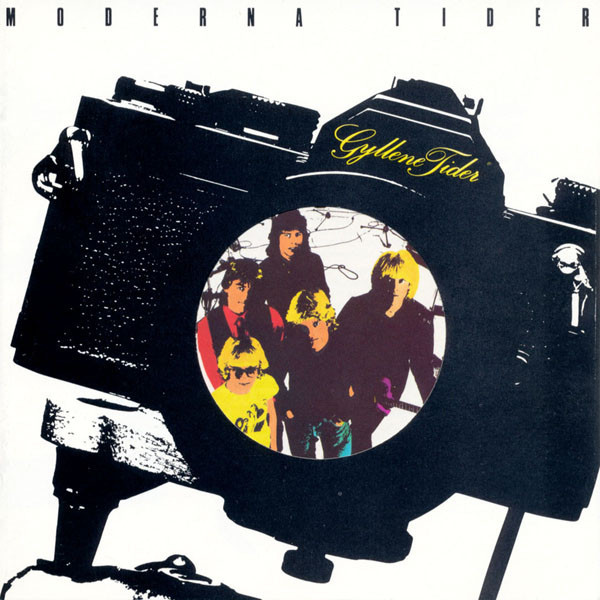
 View Artist