Song Meaning
The lyrics paint a picture of profound disillusionment with societal structures, suggesting that perception has warped the very idea of democracy. The narrator feels trapped by their own ignorance, a state that is paradoxically both constricting and, upon realization, freeing. This awakening leads to a desperate yearning for transcendence, a desire to escape the confines of their current reality and achieve a higher state of awareness, symbolized by the question, "Will I ever get high enough to see?"
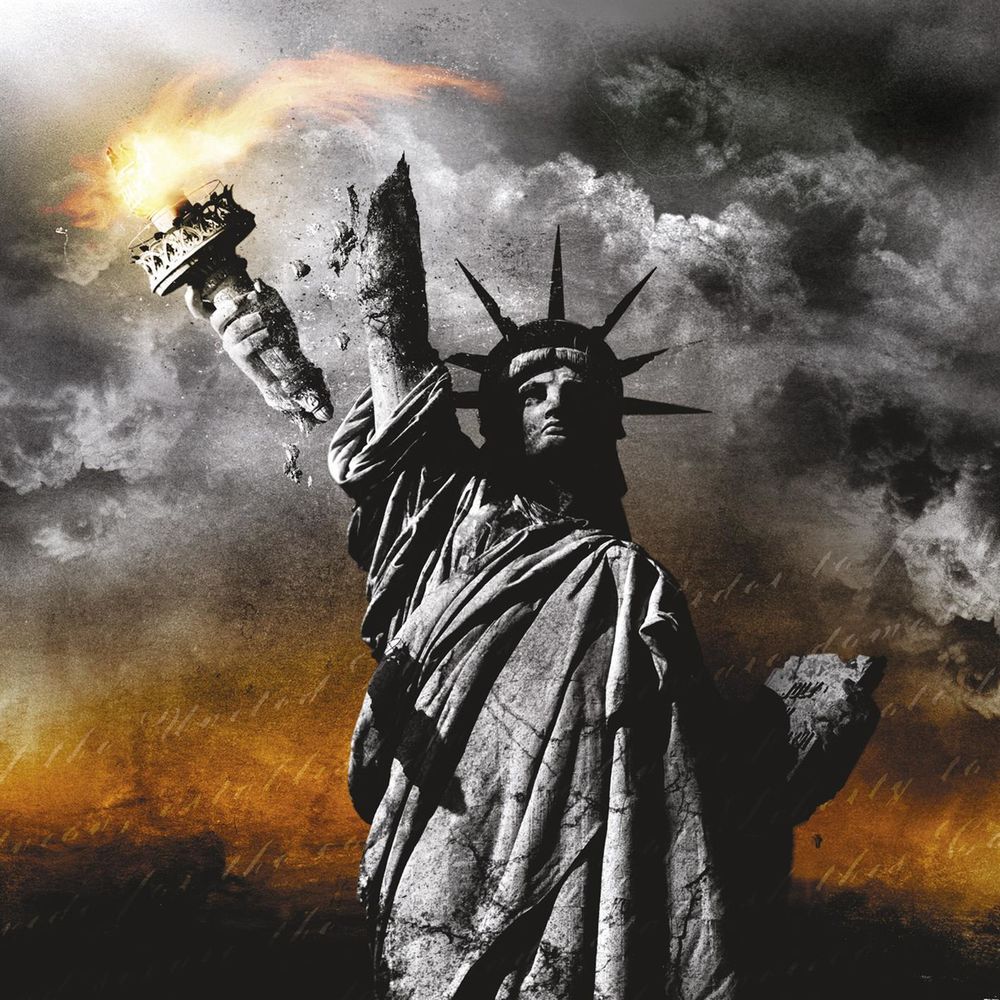
The core tension arises from the narrator's feeling of being at a critical juncture, "at the end of the line," and the overwhelming urge to break free from what they perceive as the "chains of humanity." This isn't just a personal struggle; it feels like a cosmic or spiritual crisis, described as a "spiritual disaster at my fingertips." The imagery of "judgment day" and "clouds bleed black" amplifies this sense of impending doom and a radical, perhaps destructive, transformation.
The most striking aspect is the dual nature of the divine intervention described. Initially, the narrator seeks to break free from humanity, but then the "tentacles of the divine" replace their blood, suggesting a forceful, invasive takeover rather than a gentle liberation. This is followed by a call to "take down the oppressor" and "bow before strength beyond strength," creating an ambiguity: is the oppressor humanity itself, or is the divine force the new oppressor? The repetition of "It's time to take 'em down" underscores a militant resolve, but the ultimate submission to "Strength beyond strength" leaves the true nature of this liberation uncertain.
Ultimately, the effectiveness of these lyrics lies in their raw, almost frantic expression of existential crisis and the desire for escape. The stark, apocalyptic imagery coupled with the urgent, repetitive calls to action creates a powerful sense of desperation and a yearning for a radical break from perceived limitations. The ambiguity surrounding the nature of the "divine" intervention and the "oppressor" leaves the listener contemplating the true cost of freedom and the potential dangers of seeking solace in overwhelming power.
 View Artist