Song Meaning
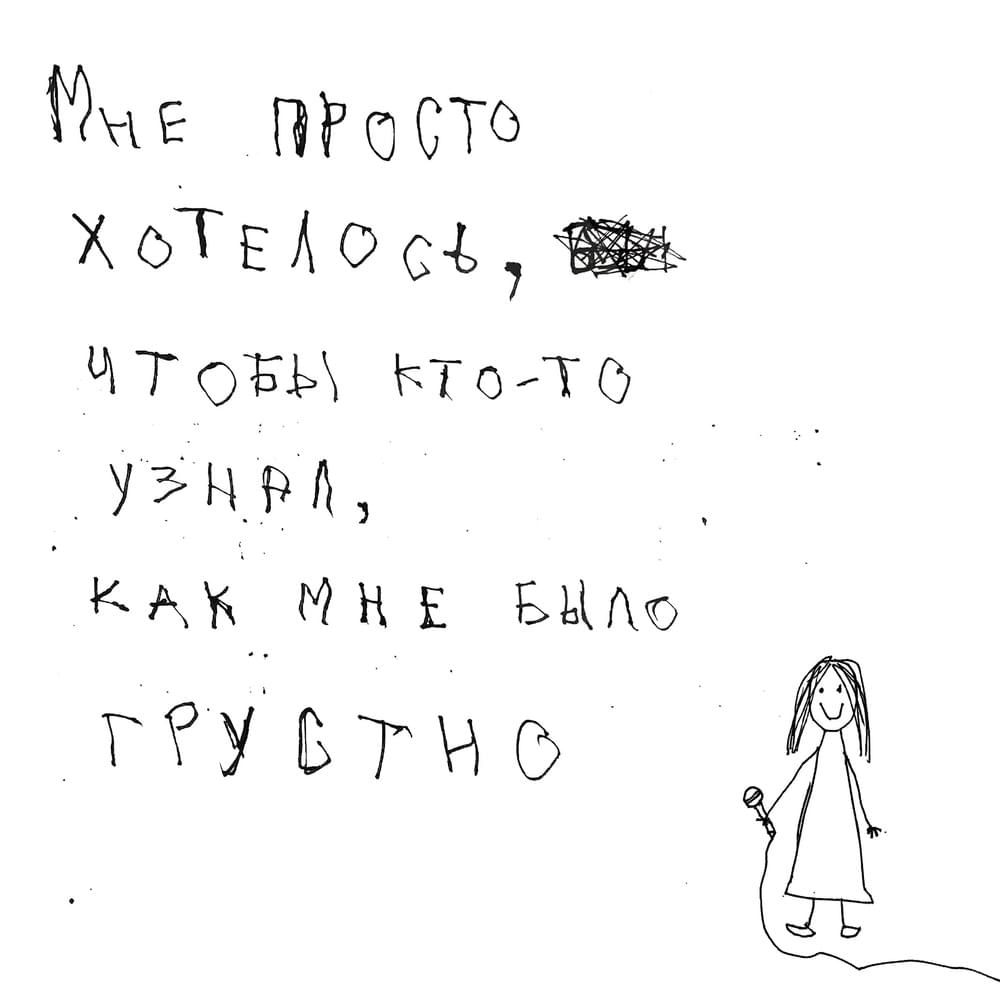
The lyrics paint a picture of existential drift, opening with "Clowns with sad faces jumping between capitals." This immediately sets a tone of melancholic performance and rootlessness. The narrator observes these figures, admitting, "I don't know why," highlighting a sense of aimless observation. The scene is steeped in a late-night, introspective mood: "Night, streetlight, strangers' advice." There's a palpable fear of future stagnation, encapsulated in the bleak premonition, "I'll grow up – I'll become no one."
The central tension arises from a desperate desire to avoid losing oneself. The narrator vocalizes a strong aversion to blending into a crowd of "strangers' cold eyes" and to the self-destructive act of "burning myself / by being sick over someone, regretting something." This fear extends to artistic expression, as they don't want to "look for pain in every song." The driving force behind this plea is the yearning to protect a "fragile childhood" that seems to be receding.
The most striking craft element is the recurring image of the clowns, who are presented as hiding their tears. This contrasts sharply with their public performance, suggesting a universal theme of masked sorrow. The lyrics propose that true light can be found even in darkness, and that the "luxury of being honest" is a profound realization. This offers a subtle counterpoint to the initial despair, hinting at a potential path toward authenticity.
Ultimately, these lyrics resonate because they articulate a common anxiety about identity and the future. The narrator grapples with the fear of becoming insignificant and the pressure to conform, while simultaneously seeking a genuine self. The closing lines, attributed to the father's aspirations – "To break up with the past and surrender to happiness / That's what my dad dreamed of" and "To chase the truth, to remain honest / That's what he told me" – suggest a legacy of seeking integrity, offering a faint hope that this pursuit can lead to a more fulfilling existence than simply becoming "no one."
 View Artist