Song Meaning
These lyrics paint a vivid picture of a profound spiritual sanctuary, a "wonderful place" where deep solace is found. The speaker introduces the cross not as an instrument of suffering, but as a site of ultimate relief and transformation. It's a place where the weight of judgment—being "accused and condemned"—is lifted, replaced by an overwhelming sense of "mercy and grace."
The central emotional tension here lies in the comprehensive nature of the burdens addressed. The lyrics carefully include both "the wrongs we have done" and "the wrongs done to us," suggesting a universal balm for both guilt and victimhood. This inclusive framing implies that the cross offers a solution for all forms of human brokenness, making its promise feel incredibly broad and deeply personal.
Craft-wise, the power of these lines comes from their directness and the evocative imagery of burdens being physically removed. The idea that all these "wrongs" were "Nailed there with Him" creates a stark, visceral image of shared sacrifice and expiation. This isn't just a conceptual forgiveness; it's presented as a tangible, almost physical act of transference.
The repeated lines, "At the cross, He died for my sins / At the cross, He gave His life again," serve as a powerful, almost hymnal affirmation. This repetition grounds the abstract concept of redemption in a deeply personal declaration, making the spiritual act feel immediate and individually impactful. The lyrics effectively convey a sense of profound gratitude and relief, resonating with anyone seeking release from their burdens.
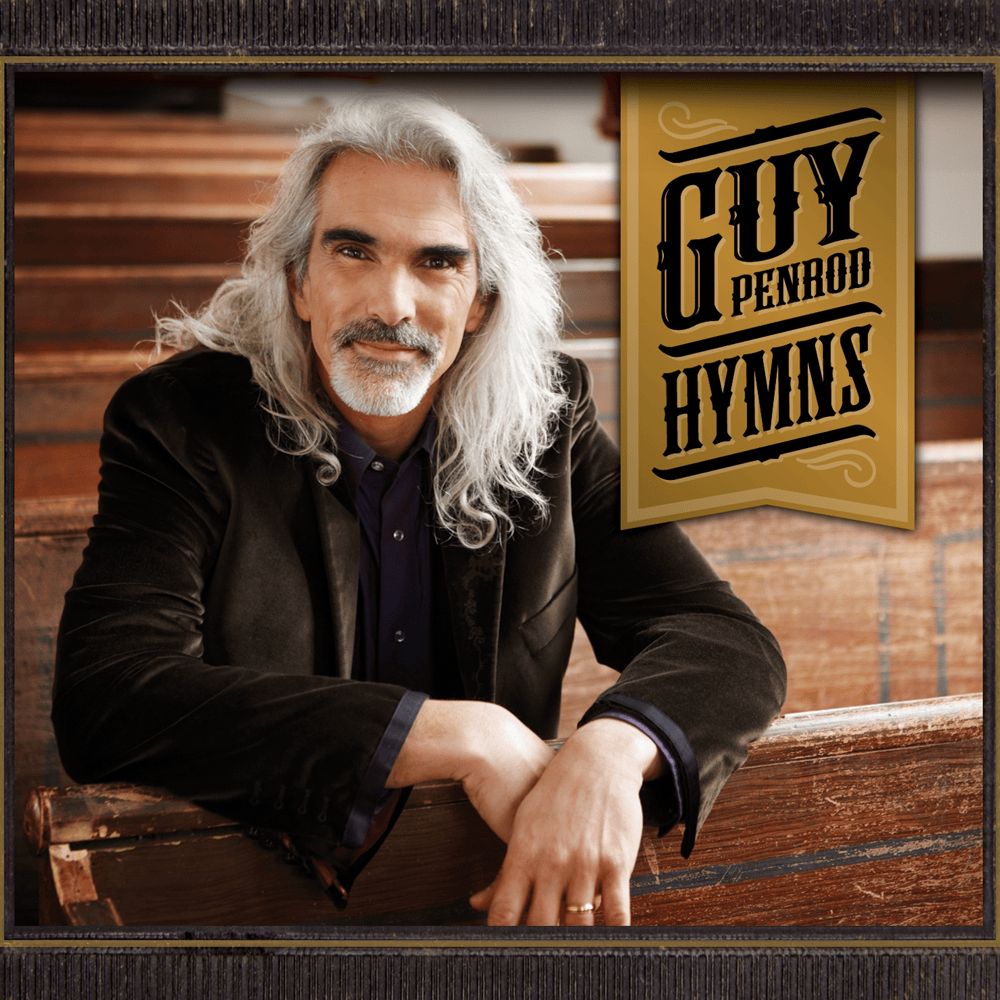
 View Artist