Song Meaning
{"song_id": 12814831, "meaning": "Guy Clark's \"Fool on the Roof Blues\" isn't just another blues lament; it's a wry, almost existential shrug at the inevitability of trouble. The 'fool on the roof' is a potent metaphor, less a specific person and more a looming, ever-present threat – a manifestation of anxiety, past mistakes, or perhaps the judgmental gaze of the world. The opening lines aren't really a question, but a rhetorical acknowledgment of this inescapable presence. The fool wants what he always wants: to disrupt, to unsettle, to remind the narrator of his vulnerabilities. Clark paints the fool as 'smooth lookin',' suggesting a seductive quality to this looming darkness, a whisper of temptation or self-destruction.
The narrator's attempts to escape the fool are futile, highlighted by the line, 'I moved all the way to Fannin Street tryin' to catch one lonesome breath.' This isn't just a change of scenery; it's a desperate attempt to outrun something intrinsic. The reference to 1952, when his parents warned him about the 'fool on your roof,' elevates the song beyond a simple personal crisis. It suggests an inherited burden, a generational awareness of the ever-present potential for things to go wrong. This intergenerational aspect adds a layer of fatalism, implying that the fool is not just a personal demon but a universal specter.
Ultimately, \"Fool on the Roof Blues\" resigns itself to this uneasy co-existence. The advice 'You let the fool have his way, you'll be spittin' on your whole life' isn't a call to arms, but a weary acknowledgment of the stakes. The final verse, with its promise of returning to Texas with 'just me and my guitar and my wife,' offers a fragile form of solace. It's not a victory over the fool, but a retreat to a place of authenticity and simple pleasures, a quiet defiance in the face of the inevitable. The song's meaning, therefore, lies in its acceptance of imperfection and the ongoing struggle to find peace amidst the chaos of life."}
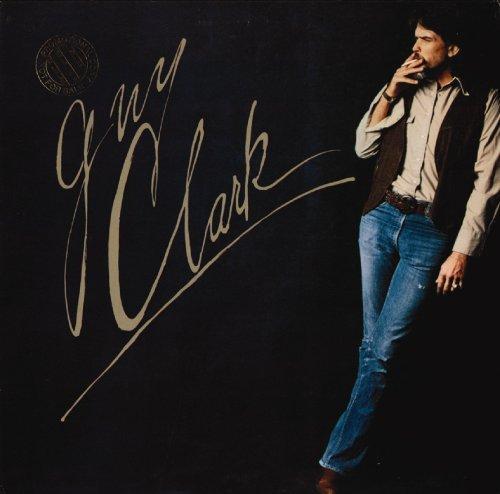
 View Artist