Song Meaning
This track kicks off with a simple, almost chant-like melody, immediately setting a tone of camaraderie and shared experience. The narrator calls out to friends, raising a glass in a gesture that speaks volumes without a single word. It's a toast to the unspoken understanding and the deep-seated bond that makes them feel indispensable to one another. The repeated phrase, "Zoveel gezien, zoveel samen gedaan," anchors this sentiment, painting a picture of a shared history built on mutual support.
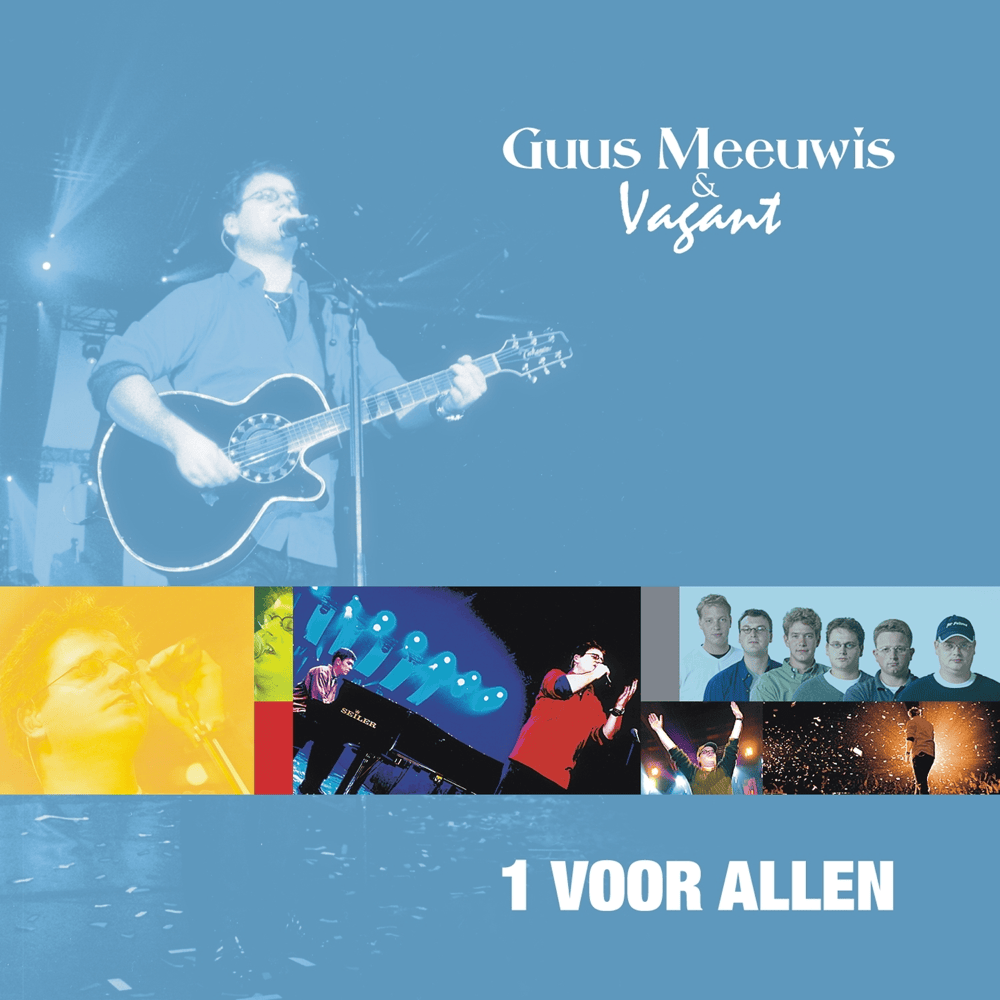
The core of the song lies in its unwavering declaration of solidarity: "'t Is 1 voor allen, en allen voor 1." This isn't just a catchy slogan; it's presented as a fundamental truth, a principle that underscores the impossibility of navigating life's challenges alone. The lyrics explicitly state, "Je mag het proberen, het lukt niet alleen," emphasizing that individual effort has its limits when faced with the extremes of life, whether "diep in een dal" or "hoog aan de top."
The most striking aspect of the craft here is the direct, almost blunt articulation of interdependence. There's no flowery metaphor, just a clear statement of mutual reliance. The refrain hammers home the message with relentless repetition, reinforcing the idea that this unity is the only way to "slepen elkaar er doorheen" – to drag each other through whatever comes their way. This straightforward approach makes the sentiment feel earned and powerful.
Ultimately, the effectiveness of these lyrics stems from their unvarnished sincerity. The narrator acknowledges that friendships may change over time, with less frequent contact, but the underlying commitment remains steadfast. The promise, "Maar heb je problemen, dan zal ik er zijn, hetzelfde zou jij voor mij doen," is a testament to a bond that transcends proximity, highlighting the profound comfort and strength found in knowing someone has your back, no matter what.
 View Artist