Song Meaning
The lyrics paint a picture of someone who deliberately crafts an insincere persona to avoid vulnerability. The narrator admits their words can confuse and their stillness is a shield, all to avoid being "sincere." This deliberate performance is so effective that they "make you believe," a repeated phrase that underscores the success of their deception. It’s a conscious choice to present a false front, suggesting a deep-seated fear of being hurt.
The central tension lies in the narrator's embrace of a "demon" identity as a defense mechanism. They confess, "I find a need to be the demon," because "A demon cannot be hurt." This reveals a core conflict: the desire to protect oneself by becoming something that is impervious to pain, even if it means alienating genuine connection. The act of "cross[ing] my fingers" while speaking further highlights this intentional dishonesty, questioning whether the listener will ever "know you've been deceived."
The most striking craft element is the stark contrast between "honest" and "fiction." The narrator explicitly states, "Honest is easy; Fiction's where genius lies." This isn't just about telling lies; it's about elevating deception to an art form, a place where true skill is found. The repetition of "Believe" after admitting to insincerity emphasizes the power of this constructed reality, making the listener question the nature of truth and performance.
Ultimately, these lyrics resonate because they articulate a relatable, albeit dark, strategy for self-preservation. The narrator's admission of needing to be a "demon" to avoid pain is a potent, if bleak, exploration of how we might armor ourselves against emotional injury. The writing effectively uses direct confession and stark contrasts to highlight the internal logic of this defensive posture, making the listener ponder the cost of such protection.
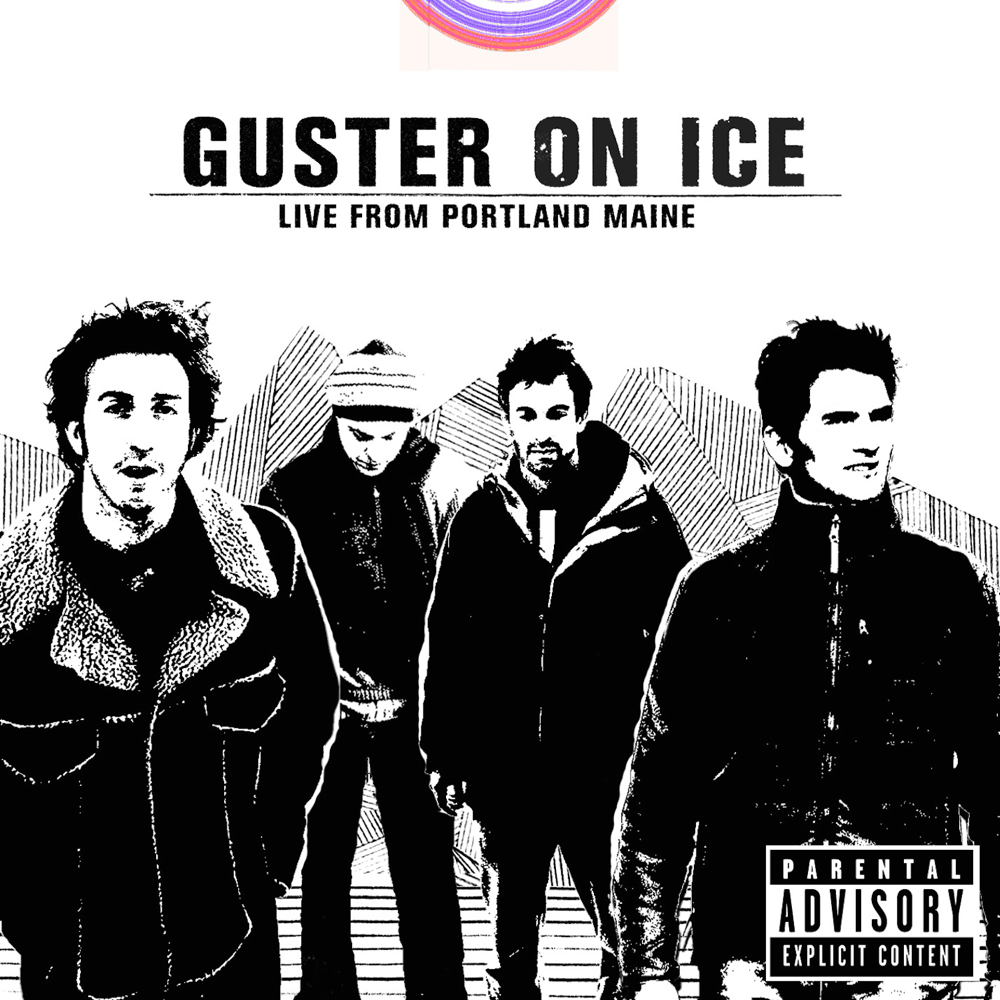
 View Artist