Song Meaning
This short, sweet farewell is packed with a potent blend of melancholy and hopeful anticipation. The repeated phrase "Auf Wiedersehn" itself, a German farewell, carries a weight of finality that's immediately softened by the plea "Bleib nicht so lange fort." It’s a goodbye that desperately wants to be a "see you soon," tinged with the sadness of present absence.
The core tension here is the bittersweet nature of parting. The narrator insists that "ohne dich ist's halb so schön" – life is only half as good without the other person. This isn't just a casual observation; it's a promise, "Darauf hast du mein Wort!" – you have my word on it. This elevates the sentiment from mere longing to a solemn vow about the importance of the other's presence.
The most striking element is the focus on the reunion itself. The lyrics build to the powerful assertion that "Nachher wird es nochmal so schön / Das Wiedersehn mit dir!" The joy of seeing them again will be amplified, making the current separation a necessary prelude to even greater happiness. This reframes the pain of parting as an investment in future delight.
This piece works because it taps into a universal human experience: the ache of saying goodbye coupled with the eager excitement for what comes next. The simple, direct language and the insistent repetition of "Auf Wiedersehn" and "Wiedersehn" hammer home the central theme. It’s a concise, effective expression of how absence can intensify affection and make the eventual reunion feel earned and even more precious.
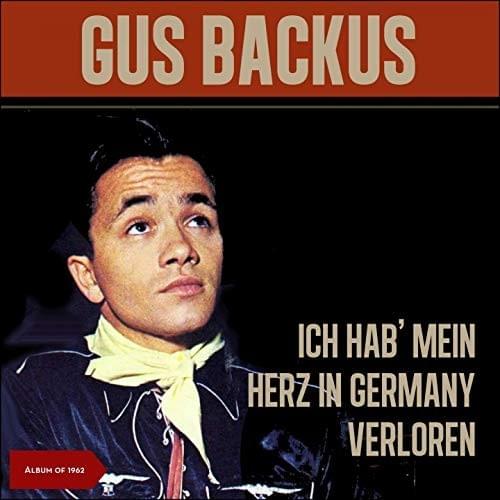
 View Artist