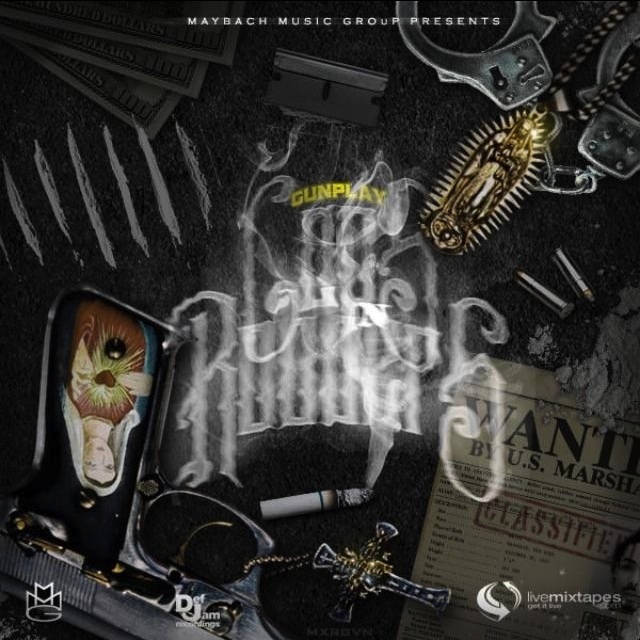
Song Meaning
This isn't a song in the traditional sense, but a spoken-word reflection on an artist's decision to shift focus. The core narrative revolves around an unnamed "he" who is contemplating leaving "these streets" behind to dedicate more time to his music. It paints a picture of an artist at a crossroads, weighing external pressures against his creative aspirations. The dominant tone is one of anticipation and support for this impending artistic commitment.
The central tension lies in the artist's internal decision-making process. The phrase "whenever he was ready to make the decision" highlights that this is a personal choice, not an external mandate. This internal struggle is framed as a necessary step before he can fully immerse himself in his craft. The anticipation of a "big announcement" suggests that this decision is imminent and will have significant implications for his career.
The lyrics emphasize the artist's unique motivations, stating "He don't care about awards, he don't care about whoever." This sets him apart from artists driven by external validation, suggesting a purer dedication to the art itself. The speaker's affirmation, "I wanna see the hommie dreams come true too," underscores a supportive relationship and a genuine desire for the artist's success, grounding the reflection in personal connection rather than just industry talk.
What makes this reflection resonate is its portrayal of artistic dedication as a deliberate, almost reluctant, transition. The idea of leaving "streets alone a lil more" implies a sacrifice, making the commitment to music feel more earned and significant. It's this grounded, personal perspective on the artist's journey that gives the words their weight, focusing on the internal resolve required to pursue a creative path.