Song Meaning
The lyrics paint a raw, immediate picture of unrequited longing. The narrator is right there, physically present, yet feels completely unseen and unheard by the object of their affection. This creates an intense emotional tension, a constant ache described as "long time I am crying" and "always my heart hurts." The core conflict is the inability to bridge the gap between their internal, desperate feelings and the other person's apparent obliviousness.
The central theme revolves around a desperate plea for recognition: "Can you hear my voice?" The narrator's heart is full of unspoken words, a love they can't articulate, leading to a painful existence of "living like this, keeping it in my heart." This internal struggle is amplified by the stark contrast between their fervent, almost frantic internal state – "calling out like crazy" – and the silence, the lack of any response, making the distance feel insurmountable.
The most striking aspect of the writing is the persistent, almost resigned repetition of their current state of being. Phrases like "living like this" and "always here, always living here" emphasize a sense of being stuck, unable to move forward or express the depth of their feelings. The bridge offers a glimmer of hope, a desire to communicate "my heart to your place," but it's immediately followed by the painful realization that expressing love might cause hurt, reinforcing the cycle of unspoken emotion and quiet suffering.
Ultimately, the effectiveness of these lyrics lies in their direct, unvarnished portrayal of emotional paralysis. The narrator's vulnerability is palpable, their pain stemming not from rejection, but from the agonizing silence and the inability to make their profound feelings known. It’s this quiet desperation, the internal scream met with external stillness, that makes the song resonate so deeply.
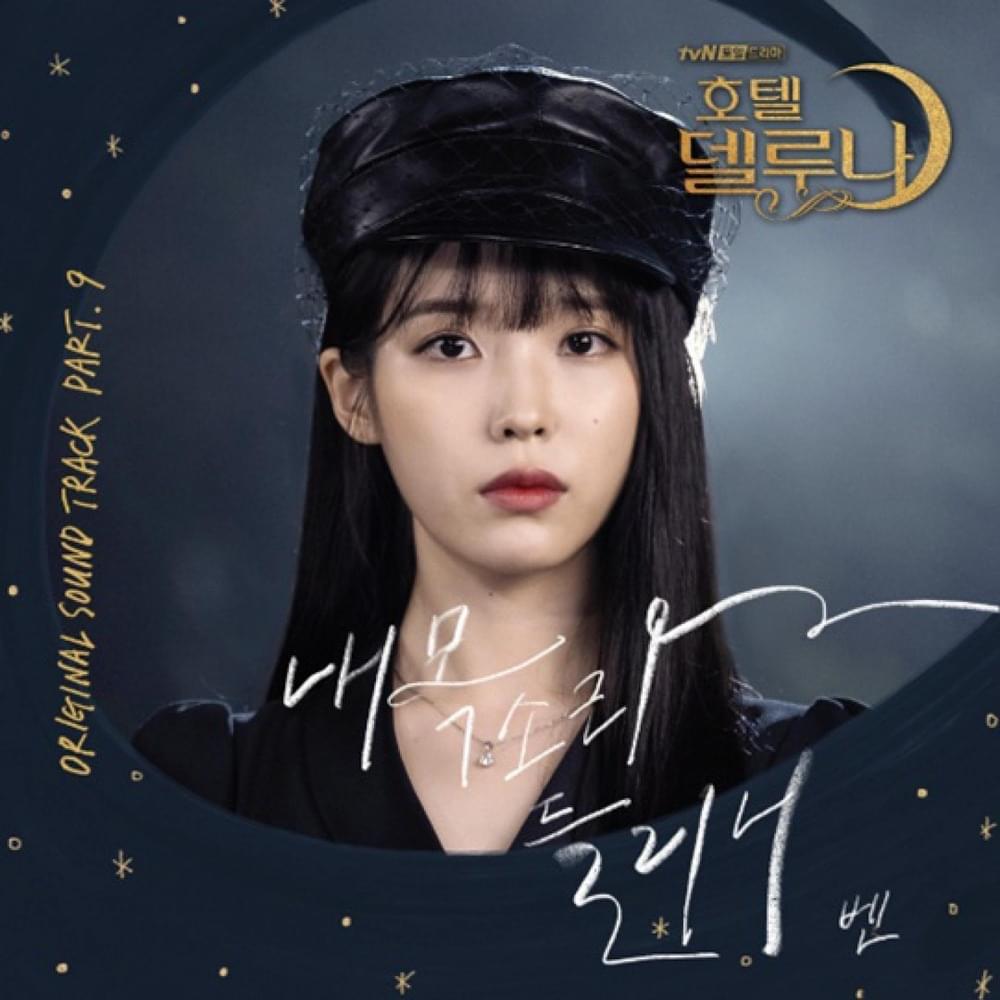
 View Artist