Song Meaning
The lyrics paint a picture of someone deeply wounded by a love that feels destined for failure. There's an immediate sense of fragility, as if the narrator is so raw that even a touch could draw blood. This isn't a love that can be easily mended; the narrator admits it was wrong from the start and expresses a reluctant, almost defiant, acceptance of its potential consequences, even if it were a crime. The core emotion is a profound, almost resigned pain, coupled with a desperate plea against abandonment.
The central tension lies in the conflict between the inevitability of the relationship's end and the narrator's inability to let go or accept it. The weeping isn't for the departure itself, but for the underlying reasons, the vast, impersonal distances that have become all too familiar. This distance fuels a sense of injustice, a cry directed at a higher power for the prohibition of this love, highlighting a feeling of being unjustly kept apart.
A striking element is the contrast between the tender, almost possessive endearments – "my reckless one," "my white skin" – and the harsh reality of separation and potential loss. The plea, "Don't love anyone in my place," is particularly poignant. It's not just about the present pain, but a desperate attempt to preserve the memory and significance of their connection, even if it means facing death alone. The lyrics suggest a love that is both intensely personal and cosmically opposed.
This writing is effective because it captures a specific, raw vulnerability. The imagery of bleeding at a touch and the direct address to the heavens create a visceral sense of suffering. The narrator's plea to not be replaced, even in the face of potential death, underscores the depth of their attachment and the fear of complete erasure, making the emotional stakes feel incredibly high and personal.
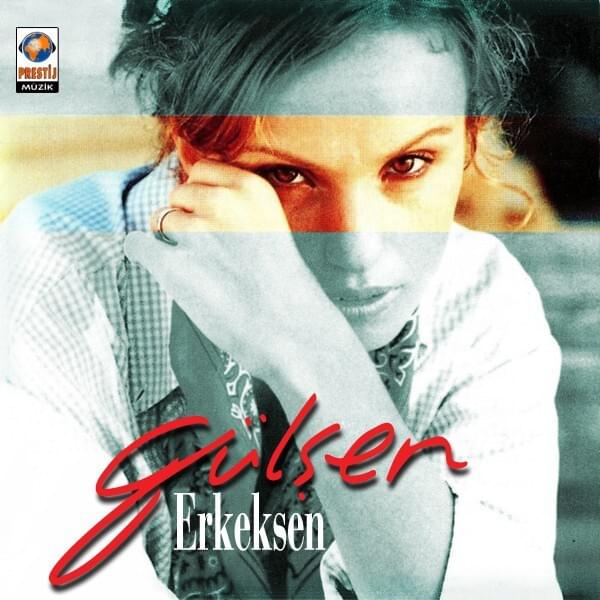
 View Artist