Song Meaning
The lyrics paint a picture of a peculiar domestic scene, immediately establishing a striking contrast: the florist's wife dislikes flowers. This opening statement, repeated with an almost unsettling insistence, sets a tone of subtle irony and hints at a deeper, unspoken dissatisfaction. The question about playing house and starting a family feels less like an invitation and more like a pointed observation, suggesting a disconnect between societal expectations and personal desires.
The central tension seems to reside in the concept of a "nosy heart" and the quiet yearning it experiences. The phrase "tacit love" implies affection that is understood but unexpressed, a love that exists in the background, much like the "dandelion wine" which carries connotations of simple, perhaps even ephemeral, pleasures. The "longing eyes" that are "ripened by the night" suggest a growing, perhaps even melancholic, anticipation that flourishes in the darkness, away from direct light or expression.
The repeated motif of the florist's wife and her aversion to flowers is the most compelling lyrical device. It’s a powerful, almost absurd, image that underscores a fundamental contradiction. This isn't just about a dislike; it suggests a rejection of the very thing her husband is associated with, hinting at a complex inner world or a profound disconnect within her own life and perhaps her relationship. The repetition amplifies this sense of a persistent, unaddressed issue.
Ultimately, these lyrics resonate because they capture a specific kind of quiet, internal struggle. The effectiveness lies in the juxtaposition of the mundane (a florist's wife) with the peculiar (her dislike of flowers) and the abstract (tacit love, nosy heart). It’s this deliberate use of understated imagery and implied emotion that allows the listener to project their own feelings of unspoken longing and domestic dissonance onto the narrative, creating a potent, if ambiguous, emotional landscape.
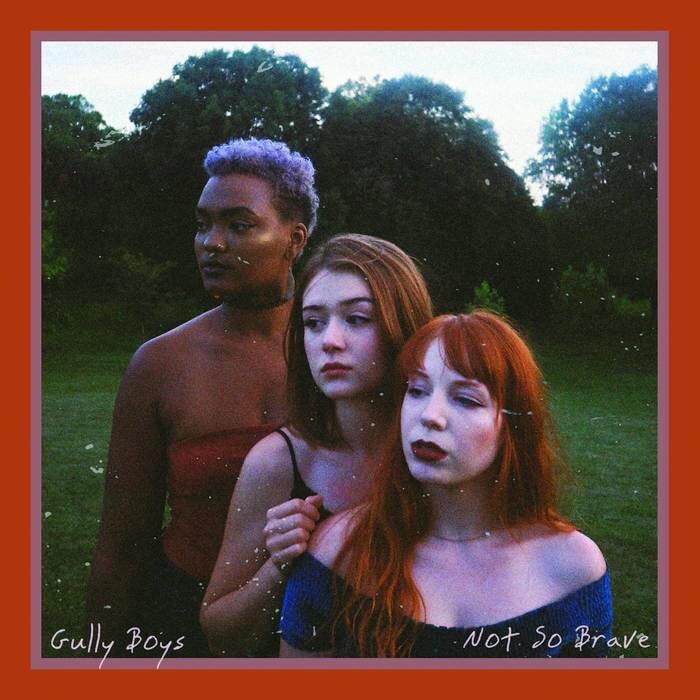
 View Artist