Song Meaning
Waking up with a shoe in your mouth sets a disoriented, almost absurd tone, immediately questioning direction – north or south? The narrator feels adrift, specifically "out on the lake," a place of isolation and uncertainty. This precariousness is amplified by banking dreams on an "earthquake," suggesting a hope for radical, disruptive change rather than gradual progress. It’s a potent image of wanting a seismic shift to alter a stagnant situation.
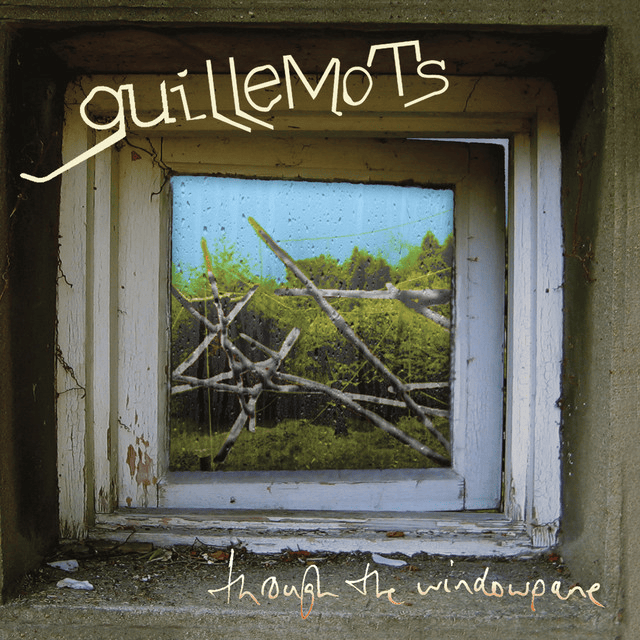
The core emotional arc hinges on the arrival of love, depicted as an external force entering through the "windowpane." This love isn't gentle; it's disruptive, "tripping up the high road" and "tearing down the low." It suggests a force that bypasses conventional paths and hierarchies, creating a chaotic but ultimately transformative experience. The repeated phrase emphasizes the desire for this potent, invasive love.
The lyrics present a fascinating paradox in how to attain this desired state. Life is seen "chanting out the mantra: If you want it, let it go / If you want it, sow." This duality suggests that true acquisition involves both detachment and active effort. The narrator seems to grapple with this, later shifting to "If you want it, say so," a more direct assertion of desire. The reference to "Alice" adds an enigmatic layer, perhaps hinting at a Wonderland-like journey into the unknown or a specific confidante.
This tension between passive reception and active pursuit, between disorientation and profound change, is what makes these lyrics resonate. The imagery of love entering through a fragile barrier like a "windowpane" highlights vulnerability, while the disruptive action it causes points to a powerful, life-altering force. The narrator’s plea for it to "come in" underscores a deep yearning for this transformative, albeit unsettling, experience.
 View Artist