Song Meaning
The lyrics plunge us into an immediate scene of emotional surrender. The speaker admits, "Eu me rendo, você me pegou" (I surrender, you got me), signaling a profound loss of control. This isn't just love; it's a capture. The pain is palpable, declared simply: "É demais a minha dor" (My pain is too much).
At the heart of these lyrics lies a searing paradox: a passion that inflicts wounds yet leaves an indelible mark of love. The repeated refrain, "Essa paixão me machucou" (This passion hurt me) is immediately followed by "um grande amor ficou" (a great love remained). The very force that caused the pain also cemented a deep affection within the speaker, creating an inescapable emotional bind. This isn't a love that fades with hurt; it's one that paradoxically intensifies, making the suffering even more acute.
The emotional gut-punch arrives with the accusation, "Meu coração você feriu / Me enfeitiçou de amor depois sumiu." The word "enfeitiçou" (enchanted or bewitched) is crucial here; it suggests a magical, irresistible pull, a spell cast. This enchantment made the speaker vulnerable, only for the other person to "depois sumiu" (then disappeared). It's the classic tale of being swept off your feet, only to be left stranded, the magic having vanished with the beloved.
The raw effectiveness of these lyrics comes from their unflinching honesty and the cyclical nature of the pain. The speaker's desperate plea, "onde foi que eu errei" (where did I go wrong), reveals a profound need for closure and understanding that is denied. Coupled with the admission that "saudade faz eu te amar" (longing makes me love you), the lyrics paint a vivid picture of a love that, though damaging, is sustained and even amplified by absence and memory, leaving the speaker trapped in a beautiful, agonizing loop.
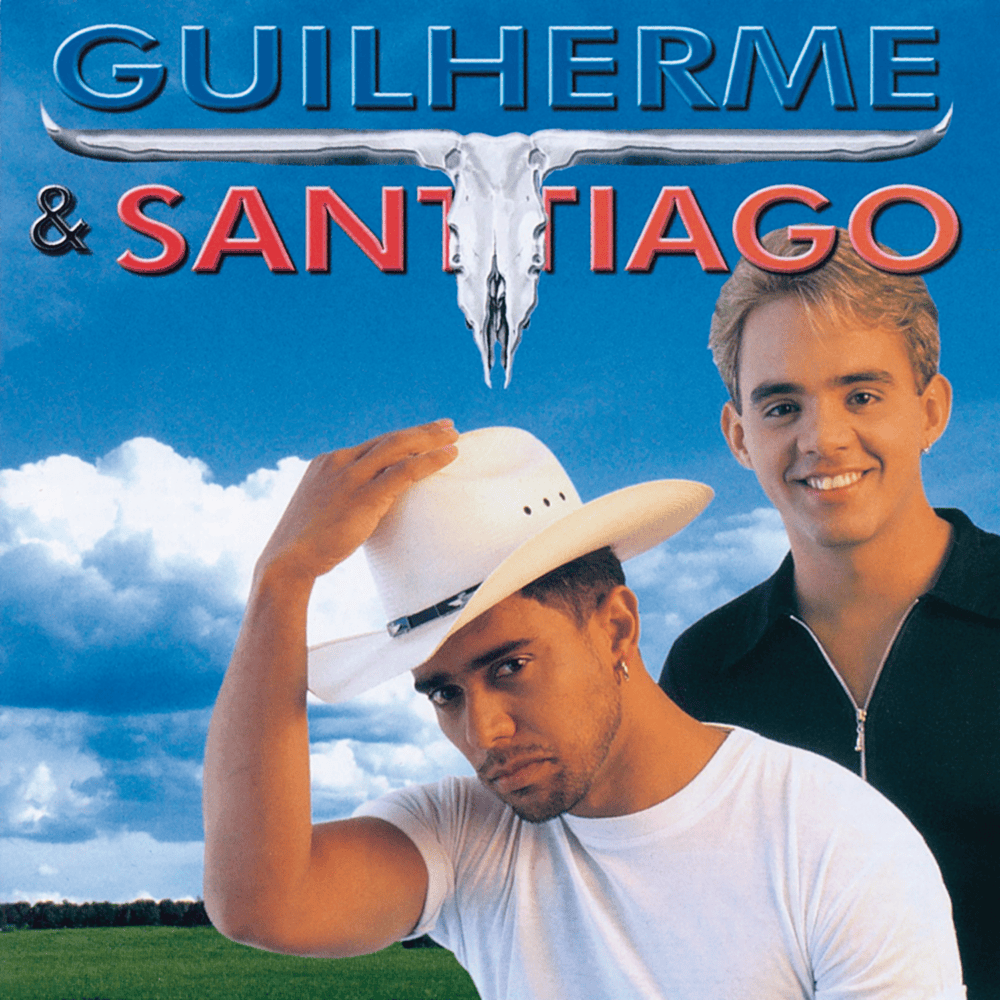
 View Artist