Song Meaning
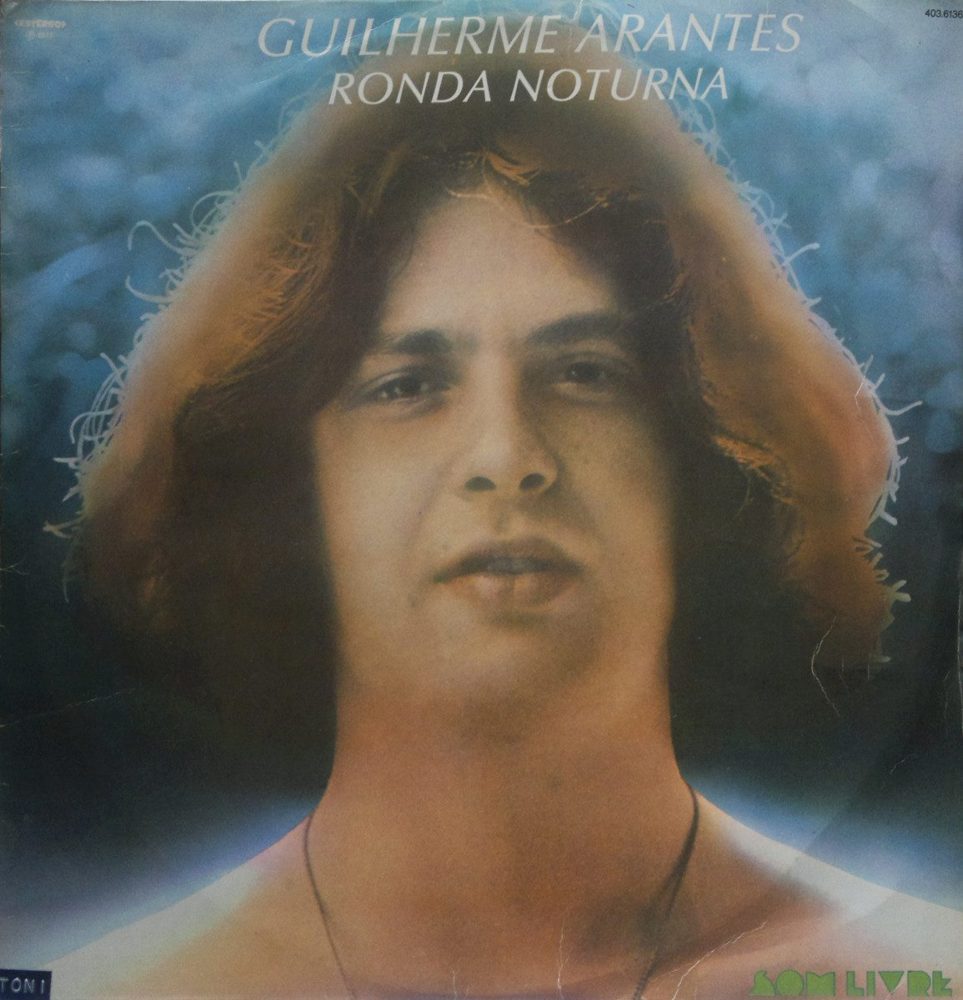
Guilherme Arantes' "Ronda noturna" paints a vivid tableau of urban anxiety, a late-night soundscape punctuated by violence and dread. The song meaning isn't explicitly narrative; instead, it functions as a sensory overload, capturing the disorienting experience of witnessing a distant tragedy. The repeated phrase, "Ouvi um disparo no alto" (I heard a shot from above), acts as a chilling anchor, drawing us back to the initial act of violence that unravels the narrator's sense of security. It's not just the gunshot itself, but the cascade of subsequent sounds – the running, the screams, the echoing corridors – that truly invades the senses.
Arantes masterfully uses sound as a psychological weapon. The lyrics emphasize the way these noises "me atravessar, e os ouvidos, e o ar" (pierce me, and the ears, and the air), highlighting the feeling of violation and inescapable intrusion. The cutting of the lights, both literally and figuratively, amplifies the sense of vulnerability. This isn't just about witnessing a crime; it's about the disintegration of personal space and the erosion of peace of mind. The arrival of the police car, sirens blaring, doesn't offer comfort, but rather further "estraga[m]-me a noite" (ruins my night), suggesting a deep-seated distrust or a sense that even authority contributes to the chaos.
Ultimately, "Ronda noturna" captures a specifically urban alienation. The distant, anonymous nature of the violence – a shot from a high-rise, a figure jumping from a window – underscores the isolation felt even within a densely populated environment. The ringing phone and the sounds of stampedes and panic further contribute to a sense of societal breakdown. Arantes doesn't offer answers or resolutions; he simply presents a stark, unsettling portrait of a night shattered by violence, leaving the listener to grapple with the psychological fallout of urban decay.
 View Artist