Song Meaning
Guilherme Arantes' "Pedacinhos" isn't just a breakup song; it's a pragmatic, almost philosophical take on the futility of clinging to what's irrevocably broken. The central metaphor of shattered pieces of love ("Pra que ficar juntando os pedacinhos / Do amor que se acabou") serves as a potent image of something that can never truly be whole again. Arantes questions the point of painstakingly gathering these fragments, knowing that "Nada vai colar / Nada vai trazer de volta / A beleza cristalina do começo." It's a recognition that the initial, pristine beauty of a relationship is often lost in the inevitable wear and tear of time and conflict. The song confronts the listener with the uncomfortable truth that some things are simply beyond repair. Attempts to mend them are not only futile but also aesthetically displeasing ("E os remendos pegam mal"), suggesting a jarring dissonance between the present reality and the idealized past.
Arantes subtly delves into the psychology of heartbreak, pointing to stubbornness ("Afinal a gente sofre de teimoso") as a primary culprit in prolonging suffering. This stubbornness stems from a failure to acknowledge the loss of pleasure and fulfillment within the relationship. The lyrics suggest that the act of holding on becomes a self-inflicted wound, a refusal to let go of something that no longer serves either party. There's a gentle nudge towards self-awareness, an invitation to recognize when attachment morphs into a form of self-sabotage. The recurring line "Adeus também foi feito pra se dizer" emphasizes the importance of closure, presenting goodbye not as a defeat but as a necessary step towards emotional liberation.
The latter half of "Pedacinhos" shifts its focus from the past to the present, urging a more honest and open approach to parting ways. Arantes questions why breakups need to be shrouded in negativity ("Pra que tornar as coisas tão sombrias / Na hora de partir"), advocating for vulnerability and genuine expression ("Por que não se abrir"). He prioritizes feelings over empty words ("Se o que vale é o sentimento / E não palavras quase sempre traiçoeiras"), highlighting the deceptive nature of language and the importance of authentic emotional connection, even in the face of separation. The song ultimately suggests that true healing comes not from clinging to fragments of the past, but from embracing honesty, accepting the inevitability of endings, and allowing oneself to move forward. There is a certain wisdom in recognizing when to say goodbye and move on.
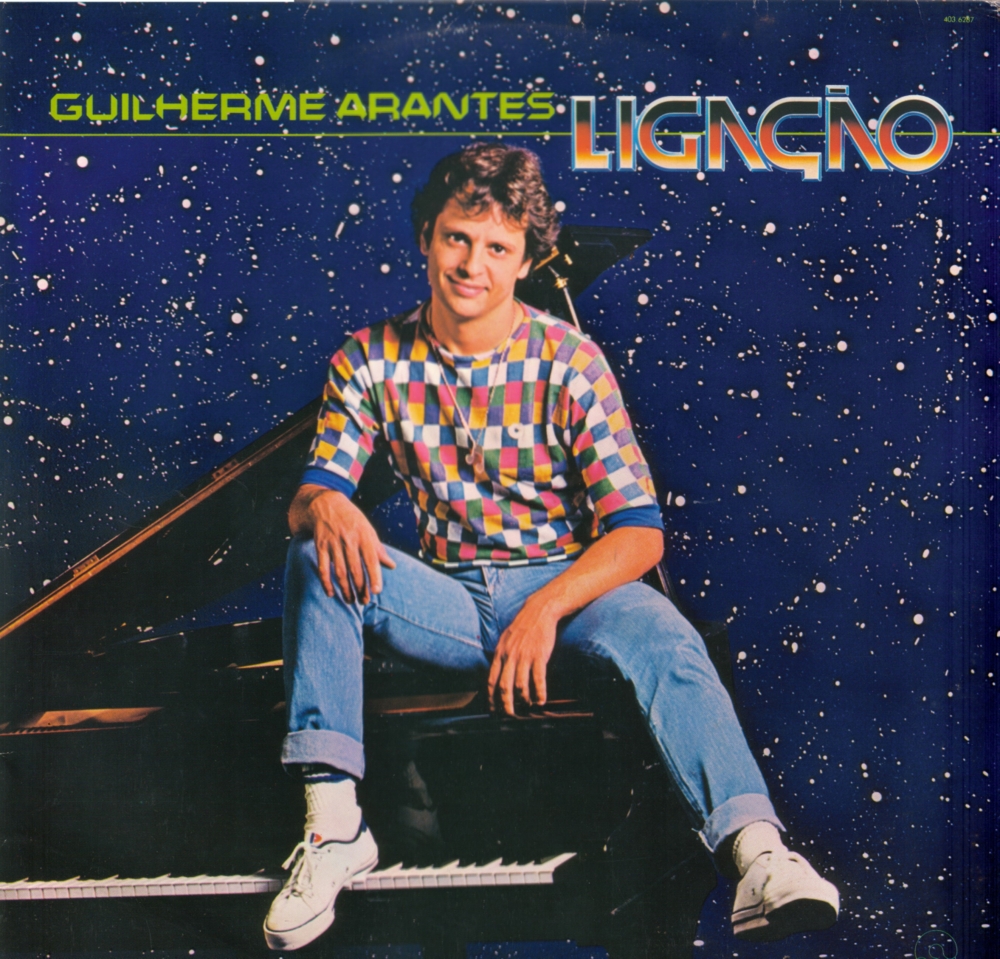
 View Artist