Song Meaning
Guilherme Arantes' "Bom Humor" isn't just a song; it's a masterclass in emotional resilience, delivered with a distinctly Brazilian lightness of being. The track radiates a defiant optimism, a conscious choice to not succumb to sorrow even when the heart knows it will grieve. The opening lines, a pledge not to weep, immediately establish a narrative of self-preservation. But it's not just about surviving; it's about actively choosing joy, about crafting a personal 'samba' to ward off the cold of loneliness or disappointment. This isn't naive positivity; it's a hard-won understanding that bitterness serves no one. Arantes acknowledges missteps ('armadilhas que eu caí'), but refuses to dwell, instead framing them as essential, if painful, life lessons. This echoes a psychological understanding of post-traumatic growth: finding strength and meaning in the aftermath of adversity.
The song's meaning pivots on the conscious decision to nurture positive emotions. Arantes sings about avoiding blame and embracing love, not in a grand, idealized way, but as a practical, almost medicinal choice. Love, he suggests, is 'barato e só faz bem,' a readily available antidote to despair. It's a sentiment that resonates deeply in a world often obsessed with scarcity and negativity. The lyrics also hint at a personal transformation, suggesting that love has turned him into an 'amador poeta,' an amateur poet. This speaks to love's power to unlock creativity and vulnerability, to transform the mundane into something beautiful and meaningful.
Ultimately, "Bom Humor" explores the bittersweet nature of memory and acceptance. The lyrics suggest a past relationship, viewed now through the lens of saudade – that uniquely Portuguese/Brazilian blend of longing and nostalgia. There's an understanding that while the relationship may have ended, its impact was profound and beautiful. The final lines, 'Talvez um dia a gente vá entender / Que o que aconteceu entre nós / Foi lindo,' encapsulate this sentiment perfectly. The song’s core message isn't about forgetting pain, but about integrating it into a larger narrative of growth and appreciation. It’s about choosing to remember the beauty, even as we acknowledge the hurt, and recognizing that true understanding comes not from dwelling on the past, but from fully embracing the present.
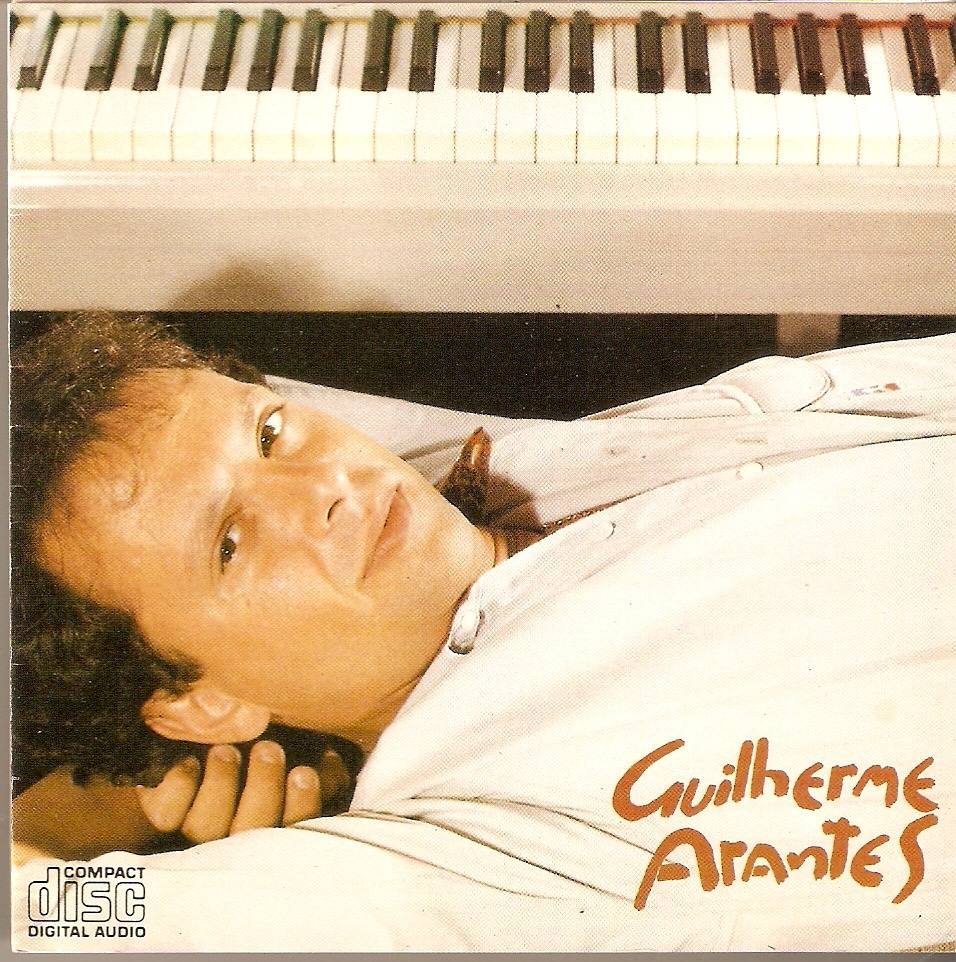
 View Artist