Song Meaning
Guilherme Arantes' "Ano Novo" isn't your typical New Year's Eve anthem of champagne wishes and glittery dreams. Instead, it’s a melancholic, yet hopeful, meditation on the turning of the millennium, steeped in a distinctly Brazilian sensibility. The lyrics immediately acknowledge the inevitable chaos of change ("Muitas pedras vão rolar"), rejecting shallow optimism ("Não se vive só de esperteza e diversão"). Arantes suggests that true progress lies not in blind celebration, but in a conscious reckoning with societal erosion and a rekindling of forgotten ideals.
The song's core question—"Onde você vai estar / Com quem vai dividir as lágrimas / Da esperança?"—cuts through the celebratory noise. It proposes that genuine human connection, particularly in moments of shared vulnerability, is more profound than any fleeting spectacle. He's not just asking where you'll physically be on New Year's Eve, but where you stand morally and emotionally as the world shifts. The acknowledgement of tears alongside hope suggests a realism, that progress isn't just joy, but also pain, and they must be shared for true meaning.
Arantes further challenges the listener to move beyond superficial concerns ("Mais que um corpo pra cuidar / Mais cabeça que um visual"), urging engagement with environmental and social causes. This isn't just about personal betterment but about collective responsibility. The "tribo estranha"—the poets and dreamers—may be dispersed and disillusioned, but their vision is essential. "Ano Novo" is a call to action, a reminder that the new year demands more than fireworks; it demands a commitment to building a better future, one rooted in empathy, action, and a willingness to confront the uncomfortable truths of our time. The song’s meaning lies in its quiet rebellion against empty ritual, advocating for authentic engagement and profound connection in the face of an uncertain future.
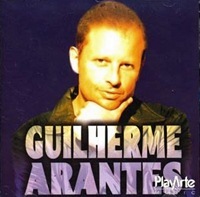
 View Artist