Song Meaning
The lyrics paint a picture of a strained relationship, possibly between two people grappling with addiction or a destructive pattern. The narrator questions Harold's reliability, offering help contingent on him staying "off the stuff," while simultaneously wondering if Harold's "energy" is truly sustainable or just a temporary high. The contrast between "attic trash" and "buried treasure" suggests a hidden value or potential that the narrator is trying to discern, but the presence of "horizontal monsters" rising for "selfish pleasure" hints at external or internal forces hindering this assessment.
The central tension lies in the reciprocal question of trust. The narrator asks, "Harold, can I trust you?" and later, "Harold, do you trust me?" This back-and-forth highlights a deep uncertainty and a need for validation. The phrase "The ultimatum never flies" suggests a desire for a more nuanced approach than simple demands, yet the narrator also notes that "Discussions are inadequate," implying a communication breakdown. The narrator seems to be navigating a complex emotional landscape where clear answers are elusive, and the very nature of perception is called into question with "How do you know the wind has eyes?"
A striking image is the comparison of individuals to "balloon animals / Deflated, slowly losing speed." This evokes a sense of inevitable decline and loss of vitality, a shared fate with "God's creatures" and "worlds around them." The lyrics also introduce a poignant distinction between happiness and joy, suggesting a boy's expectation to find the former but not the latter. This subtle but significant difference implies a superficial contentment versus a deeper, more profound sense of fulfillment that may be unattainable or lost.
Ultimately, the repeated refrain "Trust them, trust them now" becomes an urgent, almost desperate plea. It’s unclear if "them" refers to Harold, the narrator, or some external entity. The final lines, contrasting the "hourglass" with the "fisted glove," and mentioning "loved ones that you did not love / And do not," suggest a reckoning with past failures and present emotional detachment. The effectiveness of these lyrics stems from their ambiguity, forcing the listener to confront the difficulty of discerning truth and the pain of broken trust in relationships.
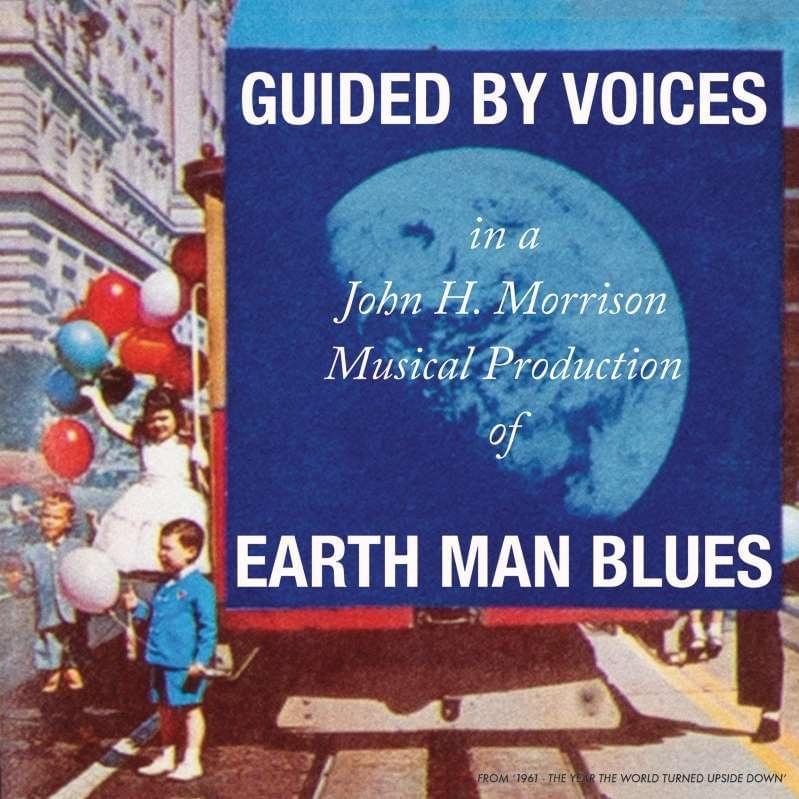
 View Artist