Song Meaning
The lyrics paint a surreal, almost hallucinatory picture of a liminal space, a "Steppenwolf Mausoleum," that acts as a barrier. Initially, a "door" is presented as inviting, with "two eyes" that "beckon as desires / Bleed together," suggesting an allure tied to primal urges and perhaps a shared, overwhelming longing. This initial sense of openness, however, quickly curdles into entrapment. The narrator observes that the "door / Won't let you out / Won't let me in," establishing a profound sense of separation and exclusion from a place of perceived fulfillment. This place is characterized by fleeting, idealized imagery: "fast cars" and "all girls are yours," representing a lost, perhaps unattainable, ideal of freedom and pleasure.
The central tension arises from this paradoxical door that simultaneously beckons and bars entry, creating a feeling of being perpetually on the outside looking in. The narrator's desire to understand this barrier is evident in the search for "the source of its creation," yet the door remains an impermeable obstacle. The shift from "fast cars have gone / And all girls are yours" to "fast cars are gone / Along with the girls" underscores a deepening sense of loss and the fading of these idealized promises, amplifying the frustration of being unable to access or escape the situation.
The most striking element is the recurring image of the "Steppenwolf Mausoleum" itself, a name that evokes both the wild, untamed spirit of Hermann Hesse's protagonist and the finality of a tomb. This juxtaposition suggests a place where desires are ultimately interred rather than fulfilled. The imagery of "Bits of fire / Dripping from your eyes" adds a visceral layer, hinting at intense emotional pain or a desperate, burning gaze fixed upon this inaccessible realm. The "neon" quality mentioned early on further contrasts with the idea of a tomb, creating a disorienting blend of artificial allure and ultimate decay.
These lyrics resonate because they capture a specific kind of modern alienation and longing. The "door" serves as a potent metaphor for the barriers we face—whether internal or external—that prevent us from reaching desired states or escaping painful ones. The "Mausoleum" becomes a repository for lost opportunities and faded ideals, a place we are drawn to observe from a distance, even as it signifies an end. The writing effectively uses stark contrasts and evocative, slightly off-kilter imagery to articulate a feeling of being stuck between wanting and having, between the allure of the ideal and the reality of exclusion.
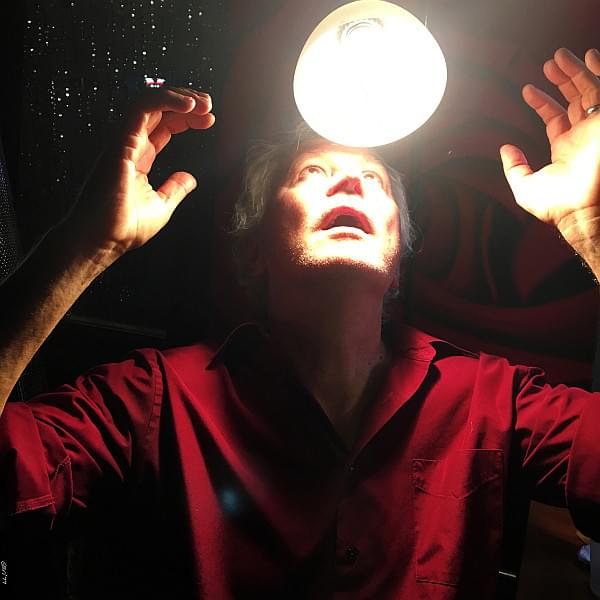
 View Artist