Song Meaning
The lyrics paint a surreal, almost dreamlike scene of morning rituals and an impending, perhaps ominous, presence. The opening lines "In the silver waters, we race each new morning / In the vegetable stream, long live the dream" establish a peculiar, vibrant, yet slightly artificial world. This initial imagery suggests a routine that is both beautiful and perhaps detached from reality, where "long live the dream" hints at an aspiration or a state of being that is actively pursued or maintained.
The narrative then shifts to a more foreboding atmosphere with the introduction of "the skeleton forest" and "coldest western wheels." This stark contrast to the earlier "silver waters" and "vegetable stream" creates a tension between a perceived idyllic existence and a harsher, more skeletal reality. The mention of "the mightiest toughman" leading the way into this bleak landscape suggests a figure of strength or authority confronting this difficult terrain, perhaps masking vulnerability.
The central focus crystallizes on "The one of whom we speak: / A very hollow cheek." This phrase is striking in its directness and its unsettling imagery. The "hollow cheek" implies a lack of substance, a gauntness, or perhaps a profound emptiness, standing in stark opposition to the "mightiest toughman" and the vibrant, albeit strange, morning scene. It suggests that beneath the surface of this dreamlike world or the facade of strength, there is a pervasive sense of depletion or absence.
This juxtaposition of vibrant, dreamlike imagery with the starkness of the "skeleton forest" and the unsettling image of the "hollow cheek" is what gives the lyrics their peculiar power. The writing seems to suggest that even in pursuit of a dream or within a seemingly robust routine, an underlying emptiness or decay can be present, revealed by a single, potent detail. The effect is one of disquiet, prompting reflection on what lies beneath the surface of perceived vitality.
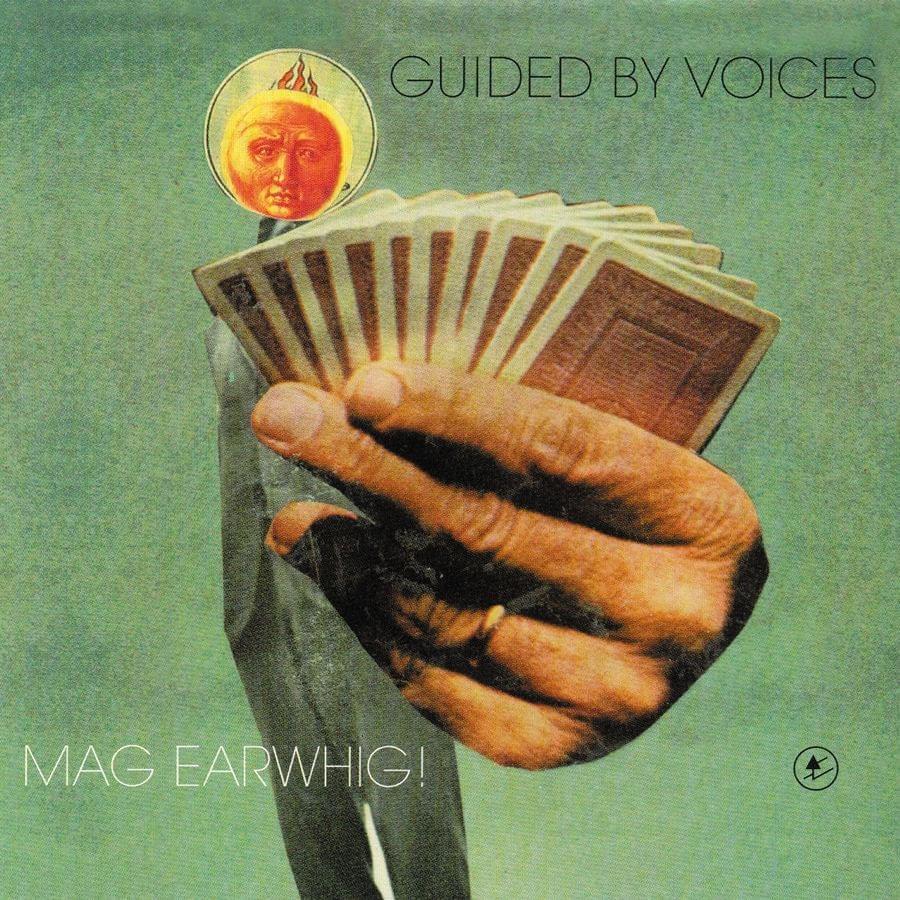
 View Artist