Song Meaning
The lyrics grapple with a fundamental, almost existential, sense of powerlessness, questioning the thin line between freedom and fate. The narrator immediately poses a stark dichotomy: "Etre une brute ou une victime" (To be a brute or a victim), framing this as a "dilemme d'enfance" (childhood dilemma). This suggests a deep-seated, perhaps ingrained, struggle with agency and identity that has persisted since youth, implying that the choices presented feel predetermined or inescapable.
The core of the narrator's distress seems to stem from a profound disillusionment with the perceived forces controlling their life, rejecting the idea that "la nature est derrière tout ça" (nature is behind all this). Despite evident hardship – a "cœur en berne" (heart in mourning/low) and "ongles pétés" (broken nails) – there's a defiant refusal to simply accept their circumstances, a powerful "j'avalerai pas ça" (I won't swallow this). This resistance, however, is juxtaposed with a feeling of being perpetually "fuyant" (fleeing), like the "plic-plac du robinet" (drip-drip of the faucet), suggesting a constant, perhaps futile, evasion.
The most striking image is the declaration "Je suis en noir et blanc" (I am in black and white). This isn't just about a lack of color; it evokes a sense of starkness, a limited emotional palette, and a lack of nuance or vibrancy in their existence. It implies a feeling of being reduced to basic, perhaps even grim, contrasts, unable to experience the full spectrum of life. The repeated phrase "J'ai l'air de quoi ? J'ai l'air de rien" (What do I look like? I look like nothing) further emphasizes this feeling of insignificance and a lack of discernible identity, trapped in a monochromatic state of being.
Ultimately, the effectiveness of these lyrics lies in their raw, unvarnished portrayal of internal conflict and external pressure. The narrator's struggle isn't against a specific enemy but against an abstract sense of fate and a perceived lack of control, all while maintaining a flicker of defiance. The stark imagery and the cyclical nature of the chorus create a powerful, almost claustrophobic, atmosphere that resonates with anyone who has felt trapped by circumstance or wrestled with their own perceived limitations.
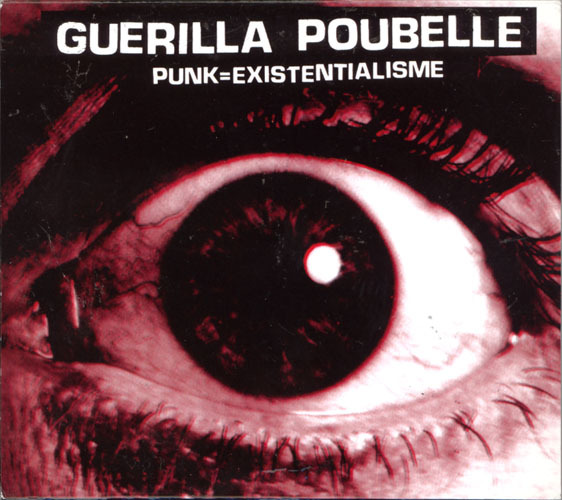
 View Artist