Song Meaning
The lyrics paint a bleak picture of societal expectations and the relentless cycle of consumerism. Initially, the narrator is presented with a conventional dream: a family, a house, material possessions. This idealized future is offered by someone described as "se tortillant," suggesting a performative or perhaps insincere delivery. The narrator immediately rejects this vision, stating they "don't even have enough ambition" for such a life, immediately establishing a core tension between external pressures and internal apathy or disillusionment. This rejection is framed as being contrary to "the theme of the show," hinting at a broader commentary on what society dictates as desirable.
The central conflict emerges from the narrator's profound weariness with a repetitive, soul-crushing existence. The phrase "C'est toujours la même merde en pire" (It's always the same shit, but worse) is hammered home, emphasizing a downward spiral of buying, discarding, and precarious employment. This isn't just dissatisfaction; it's a feeling of being trapped in an escalating cycle of meaningless activity. The repetition of this line creates a sense of suffocating inevitability, mirroring the very monotony being described.
A striking element is the shift in perspective and tone in the third stanza, where the lyrics become accusatory and almost dystopian. The narrator claims to have "exchanged your parents, your jobs, your brains," suggesting a radical manipulation or control by an unseen force, possibly media or a societal structure. The demand to surrender "free time" and the admission, "Let me take you for fools," reveal a cynical exploitation at play. This section elevates the critique from personal disillusionment to a systemic indictment of how individuals are controlled and their lives devalued.
Ultimately, these lyrics resonate because they articulate a deep-seated frustration with a manufactured reality. The raw, repetitive language and the stark imagery of a life reduced to "buying, throwing away" capture a feeling of being drained and manipulated. The song's power lies in its unflinching portrayal of a cycle that promises fulfillment but delivers only escalating emptiness, making the narrator's weary resignation feel like a shared, albeit bleak, recognition.
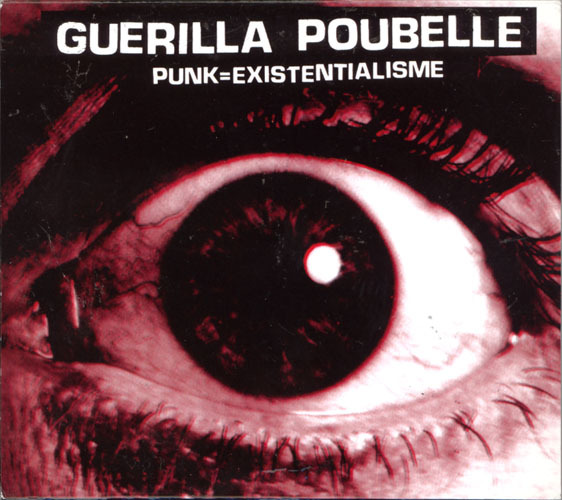
 View Artist