Song Meaning
The lyrics paint a picture of a life lived on the edge, a chaotic pursuit of wealth and sensation that leaves the narrator feeling lost and disconnected. There's a raw, almost desperate energy here, a sense that the narrator is caught in a cycle of excess and self-destruction. The opening lines immediately set a tone of cynicism, suggesting that only the morally compromised achieve financial success, while the city itself seems to swallow them whole, leaving them forgotten by any higher power. This sets the stage for a narrative of indulgence and escape, a frantic attempt to outrun a gnawing emptiness.
The central tension lies between the narrator's outward display of a high-stakes lifestyle – luxury food, international travel, and a call to an attorney – and an internal state of profound distress. They admit to losing sleep and hope, trashing hotel rooms, and blurring the lines between night and day, an existence that feels like a descent into a personal hell. This internal turmoil contrasts sharply with the bravado of their pronouncements about reputation and their own lyrical prowess, creating a compelling sense of a fractured self.
The writing employs vivid, often jarring imagery to convey this psychological state. The comparison of Milan's complexities to a Rubik's Cube, which 'never solves,' captures a sense of inescapable urban confusion. The line about wanting to touch 'more sheets than altar boys a priest' is a provocative, almost blasphemous assertion of worldly desires over spiritual ones, highlighting a rejection of traditional morality in favor of tangible, perhaps hedonistic, pursuits. This is further amplified by the narrator's self-identification as 'Guercio' (the Squinty One), whose rhymes 'spit a storm,' suggesting a destructive creative force.
Ultimately, the effectiveness of these lyrics stems from their unflinching portrayal of a life teetering on the brink. The narrator's admission of not knowing how they're dressed when they close their eyes speaks to a profound dissociation, a loss of self amidst the chaos. Yet, there's a defiant acceptance in the closing lines: 'And if I die tomorrow ok I had fun.' This resignation, coupled with the acknowledgment of a life lived intensely, even destructively, creates a powerful, albeit bleak, emotional resonance.
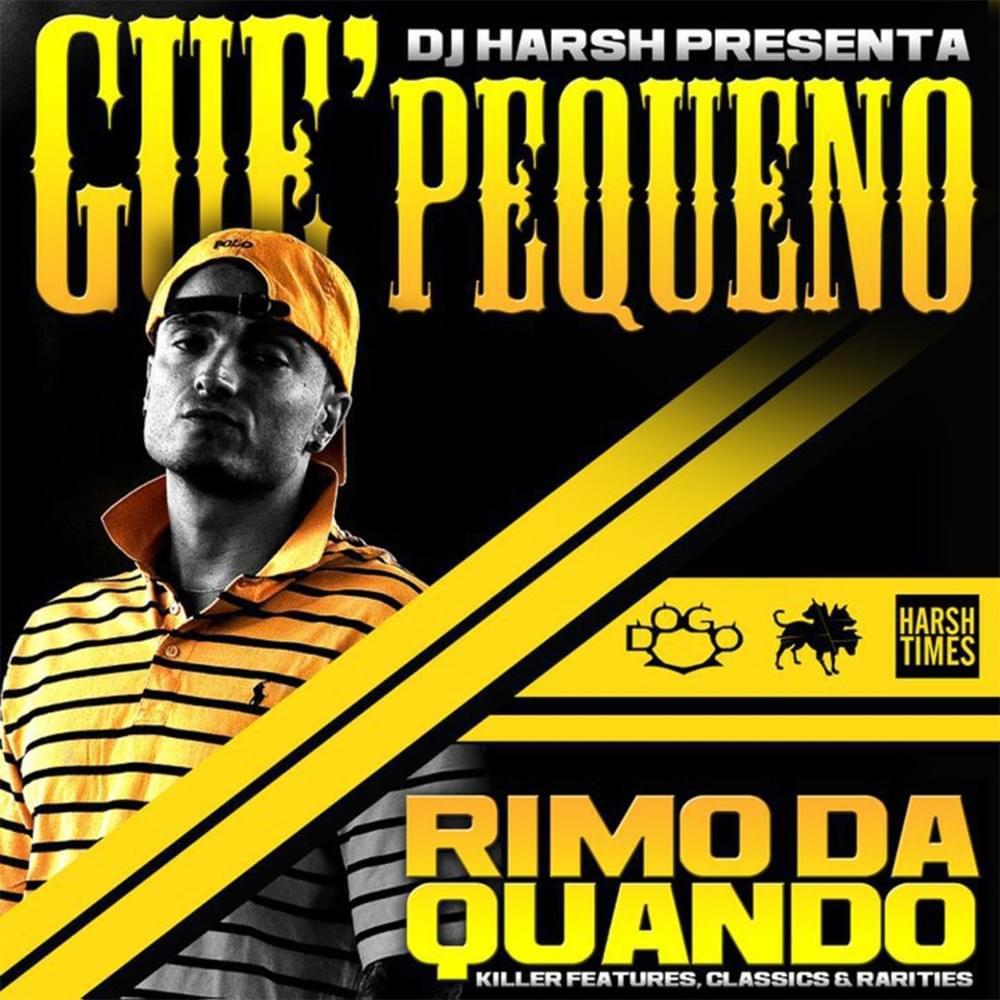
 View Artist