Song Meaning
The lyrics paint a picture of insatiable curiosity, a relentless drive to know more that borders on obsession. The opening lines, "Już widziało się, słyszało / Przeczuwało, dotykało," establish a history of experience, yet the narrator insists, "Lecz nam było ciągle mało." This isn't just a desire for information; it's a fundamental restlessness, a need to peel back every layer, even when contentment might be a more peaceful option. The repetition of "Nam się chciało, chciało wiedzieć" underscores this driving force, making the pursuit of knowledge the central theme.
The word "Wiem" (I know) is presented as a salve, a soothing balm for the mind's anxieties. It's described as "słowo jak krem" (a word like cream), a remedy for "zmarszczki w mojej głowie" (wrinkles in my head) and the "trzepotanie powiek" (fluttering of eyelids), suggesting that knowing brings a kind of peace or clarity. This knowledge is also framed as essential, "drogi nasz tlen" (our dear oxygen), vital for elevating "naszych wrażeń" (our impressions) and "naszych marzeń" (our dreams) to a higher plane.
However, this certainty is fragile and eventually shattered. The narrator admits to saying "Dobrze, dobrze wiem" (I know well, I know well) until an unpleasant realization struck, likening it to "obiad po musztardzie" (dinner after mustard) – a jarring, out-of-place experience. This is followed by a confession of loving "Inne słowo – bardziej" (another word – more), hinting at a betrayal of the initial certainty or a shift in what holds value. The later lines, "Jestem pyłkiem, wiem" (I am dust, I know), reveal a profound sense of insignificance, a stark contrast to the elevated state previously associated with knowing.
The ultimate effectiveness of these lyrics lies in their exploration of the double-edged sword of knowledge. While initially presented as a source of comfort and elevation, the pursuit of knowing ultimately leads to a humbling, almost crushing, realization of one's own smallness. The cyclical nature, returning to the opening sensory experiences, suggests that despite all the knowing, the fundamental human condition of experiencing and sensing remains, perhaps even more poignant after the disillusionment.
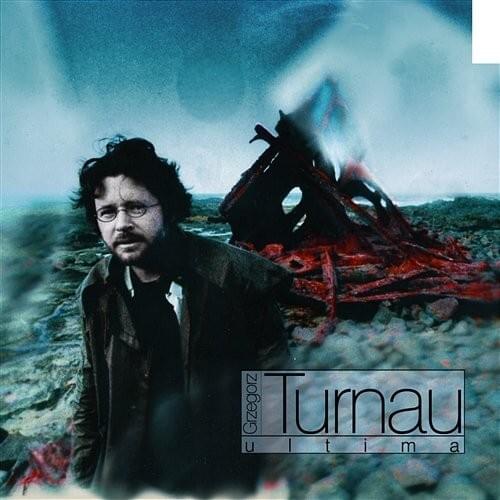
 View Artist