Song Meaning
The lyrics paint a stark picture of life's inherent duality, presenting a constant ebb and flow of opposing forces. The opening lines immediately establish this contrast: "Ktoś umiera to znów rodzi się ktoś" (Someone dies, then someone is born again) and "Ktoś chce więcej a ktoś i tego ma dość" (Someone wants more, and someone has enough of this). This sets a tone of perpetual motion, where joy and sorrow, gain and loss, are inextricably linked and perpetually occurring "to tu, to tam" (here and there).
The central tension arises from this relentless cycle of opposites. The narrator observes a world where "Ktoś się śmieje a ktoś płacze i łka" (Someone laughs, and someone cries and sobs) and "Ktoś kuleje - ktoś się bawi i gra" (Someone limps – someone plays and games). This isn't a gentle balance, but a chaotic, often jarring juxtaposition of extreme states, suggesting that life's experiences are rarely uniform and often experienced in starkly different ways by different people simultaneously.
The most striking aspect of the craft is the relentless, almost mantra-like repetition of "To tu, to tam." This phrase acts as an anchor, grounding the disparate observations in a sense of omnipresence and inevitability. It emphasizes that these contradictions aren't isolated incidents but are happening everywhere, all the time. The imagery shifts from the mundane (growing plants) to the violent (lightning strikes, someone being strung up, shooting one's own shadow) and the surreal (two plus two equals five), all under this pervasive "here and there" umbrella.
Ultimately, the lyrics resonate because they capture the disorienting yet undeniable reality of existence. The constant flux, the unexpected turns, and the coexistence of creation and destruction, order and chaos, are presented without judgment. The final lines, "Wszystko runie lecz podniesie się znów" (Everything will collapse, but will rise again), offer a glimmer of resilience within this grand, often bewildering, cosmic dance.
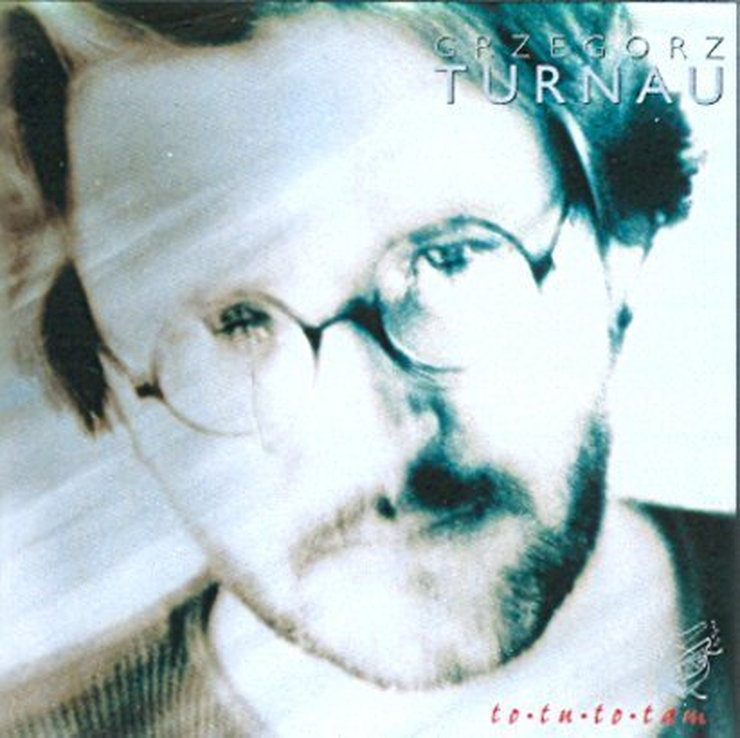
 View Artist