Song Meaning
The lyrics paint a stark picture of a solitary figure, the "murarz" or bricklayer, consumed by the monumental task of building a wall. The narrative opens with a sense of time passing, marked by the annual flight of "wild birds' string" – a recurring image that underscores the bricklayer's unchanging dedication, or perhaps his isolation. He meticulously measures the ground, loses "a hundred shoes," and digs a pit so vast it haunts his dreams. This initial phase establishes a tone of arduous, almost obsessive labor.
The central tension lies in the sheer scale and futility of the endeavor. The wall is built from the bottom up, then sideways, and finally, bafflingly, "down from above." This nonsensical construction method, coupled with the bricklayer's relentless drive to build "faster," suggests a project detached from practical purpose, driven instead by an internal compulsion. The narrator appears to be trapped in a cycle of work, sacrificing his youth and longevity to this singular, unending creation.
The most striking aspect is the bricklayer's unwavering faith in his wall, even in death. Despite not finishing the structure before his "nature extinguished" and his body "wore away to shavings," he "did not lose faith in the wall." This devotion, bordering on the fanatical, is what makes the lyrics so potent. It speaks to a life poured into a singular, perhaps meaningless, pursuit, where the act of building itself becomes the ultimate purpose, transcending the physical completion of the object.
Ultimately, these lyrics resonate because they capture a profound sense of existential dedication, however misguided. The imagery of the solitary figure, the passage of seasons, and the impossible wall combine to create a powerful, melancholic portrait of a life defined by an all-consuming, unfulfilled ambition. The bricklayer's final, unshakeable belief in his unfinished work leaves a haunting impression of a life lived entirely for a singular, abstract goal.
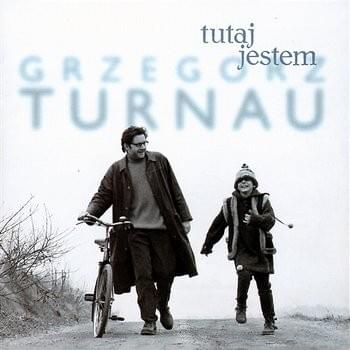
 View Artist