Song Meaning
The lyrics paint a stark portrait of Marta, a woman seemingly trapped in a state of melancholic inertia. She's physically present, "na parapecie wsparta" (leaning on the windowsill), but emotionally distant, lost in "stare wiersze" (old poems) that are "przebrzmiałe bezpowrotnie" (irretrievably faded). This initial image establishes a mood of quiet desperation, a life lived in the past or in abstract thought, detached from the present.
The central tension arises from Marta's passive observation of the world outside her window, specifically the "dziewczyny" (girls) who "Sprzedają swoje ciało" (sell their bodies). This stark contrast between her internalized, perhaps romanticized, world of poetry and the harsh reality of transactional relationships fuels her deep-seated envy. The lyrics suggest she "zazdrości" (envies) even this form of connection, lamenting that "Los jej nie podarował" (fate hasn't gifted her) even that kind of "miłości" (love).
The repeated phrase "Na parapecie wsparta" acts as a grounding, yet also a confining, motif. It emphasizes her static position, both physically and emotionally. The imagery of letters "skaczą" (jumping) before her eyes while her heart remains "niezakochanym" (unfallen in love) powerfully illustrates her disconnect. The shift from reading old poems to observing the street highlights the painful realization of her own emotional barrenness, a feeling amplified by the onset of "Jesienny dzień" (an autumn day), a season often associated with decay and endings.
This lyrical construction is effective because it grounds profound feelings of loneliness and unfulfilled desire in concrete, albeit bleak, imagery. The narrator's focus on Marta's passive gaze and her specific envy of a transactional form of love makes her isolation feel intensely personal and poignant. The repetition of her name and posture underscores a sense of inescapable melancholy, leaving the listener with a lingering sense of her quiet despair.
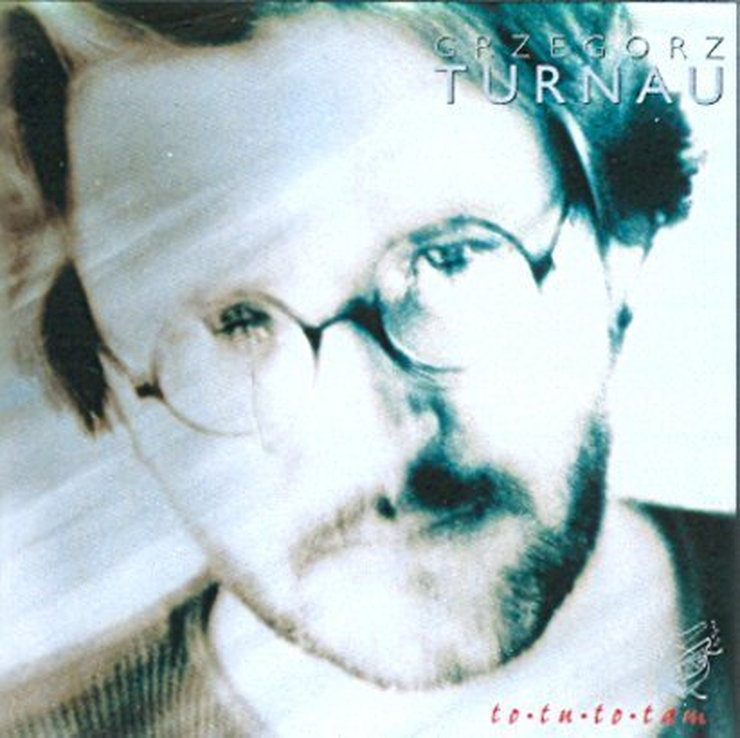
 View Artist