Song Meaning
The lyrics immediately establish a profound sense of uncertainty, questioning the very existence and location of a subject, possibly Atlantis. Phrases like "Istnieli albo nie istnieli" (Existed or didn't exist) and "Na wyspie albo nie na wyspie" (On an island or not on an island) create a disorienting effect, stripping away any concrete details. This opening sets a tone of doubt, suggesting that the narrative, if it can be called that, is built on conjecture rather than fact. The repeated use of "albo nie" (or not) functions as a constant negation, undermining any potential certainty.
The central tension revolves around the absence of definitive proof and the ambiguity of events. The narrator grapples with whether love or conflict ever occurred, asking "Czy było komu kochać kogo?" (Was there anyone to love whom?) and "Czy było komu walczyć z kim?" (Was there anyone to fight whom?). The idea that "Działo się wszystko albo nic" (Everything happened or nothing) encapsulates this binary of extremes, highlighting the lack of a middle ground or verifiable reality. This persistent questioning suggests a deep-seated skepticism about historical accounts or even personal memories.
The most striking aspect of the writing is its persistent use of negation and conditional language to describe what might have been. The lyrics present potential events – a meteor, a volcano, someone calling out – only to immediately dismiss them with "To nie meteor" (It's not a meteor) or "Niczego nikt" (Nobody anything). This technique creates a sense of ethereal unreality, as if the narrator is trying to grasp at historical echoes that dissolve upon closer inspection. The description of the inhabitants as "Przypuszczalni. Wątpliwi. Nieupamiętnieni" (Presumed. Doubtful. Uncommemorated.) further solidifies this theme of elusive existence.
This lyrical approach is effective because it mirrors the feeling of trying to recall or reconstruct a forgotten past, where details are hazy and prone to doubt. The constant questioning and negation don't just describe uncertainty; they actively create it for the listener, making the absence of concrete information the primary emotional experience. The repetition of the opening lines at the end brings the listener back to the initial state of doubt, reinforcing the idea that no definitive answers were found, only more questions about a possibly mythical place called "plus minus Atlantydzie" (plus or minus Atlantis).
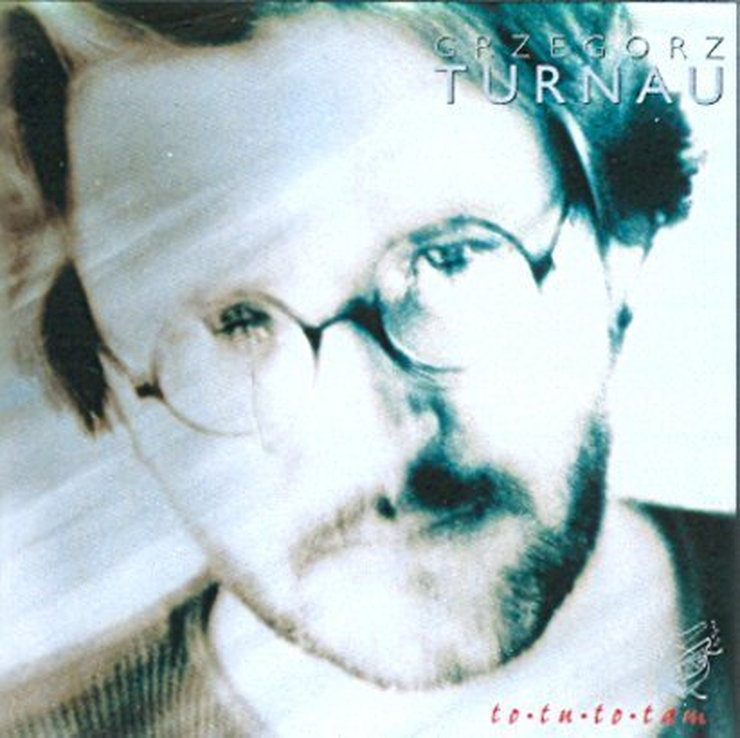
 View Artist