Song Meaning
The lyrics open with a poignant direct address, a speaker questioning a past love about their newfound happiness. There's a palpable ache as they wonder if someone else could provide the joy they couldn't. This sets a tone of wistful longing and unresolved emotion.
The core tension lies in the speaker's enduring affection clashing with the ex-lover's perceived indifference. The speaker asks if the new partner loves "como yo te supe amar," revealing a deep need for validation. This quickly pivots to a painful realization: "a tu corazon nunca le importo / Todo lo que yo sufri," suggesting a profound imbalance in their past relationship and its aftermath.
The repeated emphasis on the "corazón" (heart) is central, appearing in various states: unable to give happiness, unable to forget, uncared for, left empty, and ultimately, waiting. This repetition underscores the speaker's emotional core, highlighting how deeply affected they are. The contrast between the speaker's "gran vacio" and the ex-lover's potential "felicidad" creates a stark, almost cruel, emotional landscape.
What makes these lyrics resonate is their raw vulnerability and the unexpected twist at the end. Despite the pain of loss and the admission "ya te perdi," the speaker declares, "mi corazon / Siempre sabra esperar." This final, unwavering declaration of loyalty, even in the face of perceived indifference, creates a powerful sense of enduring, almost tragic, devotion that lingers long after the final words.
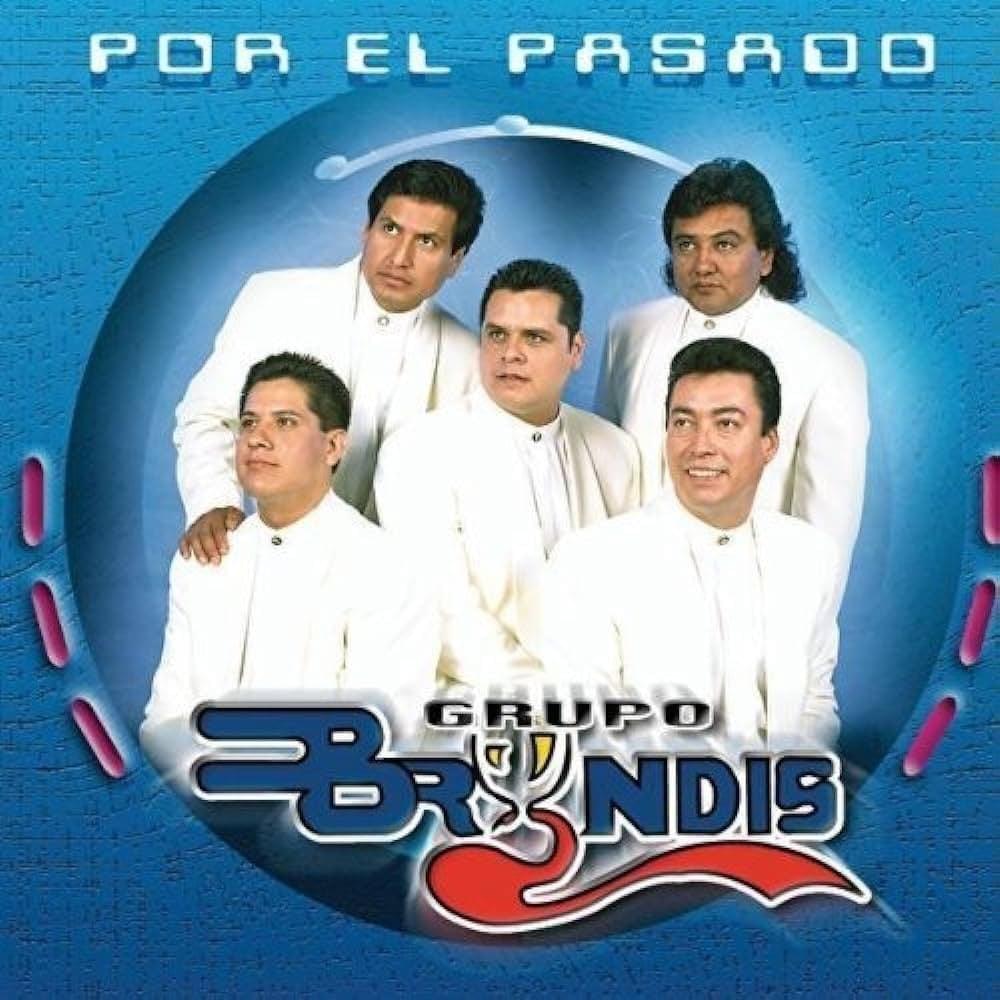
 View Artist