Song Meaning
The lyrics paint a vivid, almost chaotic picture of internal turmoil and societal critique, anchored by the recurring invocation of "Anadolu." It opens with a raw, almost guttural "Haydaa!" that sets a tone of exasperation and urgency. The narrator grapples with abstract concepts like paranoia and deceit, describing their mind as a "soyut kafam, soyut bıçak sırtı, soyut fesat" – a mind that is abstract, on a knife's edge, and full of malice. This internal chaos is juxtaposed with a sense of being trapped, where days are marked by sighs and regrets, and where even curses feel like a lost cause in the grand scheme of life and death.
The central tension seems to stem from a feeling of being adrift in a world driven by superficiality and self-interest. The narrator questions the passage of time, lamenting how days are spent with "Of be'lerle, Tüh be'lerle" (with sighs, with tuts), suggesting a profound dissatisfaction with their circumstances. There's a sense of disillusionment with societal values, where "Mavra dilde marpuç pabuç kabı menfaat" (in idle talk, pipes and shoe boxes are for self-interest) points to a world where genuine connection is replaced by empty pursuits. The reference to "tatlı sularda saklan, okyanus sana serin" (hide in sweet waters, the ocean is cool for you) implies a desire to escape, but also a recognition that such escape might be futile or even dangerous.
A striking element is the recurring image of "Anadolu kor ateş!" (Anatolia is a burning fire!). This phrase, appearing both as a defiant cry and a somber declaration, seems to encapsulate a complex relationship with homeland or origin. It's a fire that consumes, perhaps representing passion, destruction, or an unyielding spirit. The lyrics also employ sharp, almost violent imagery like "akrep ol zehri göte sapla" (be a scorpion, stab the venom into the ass), which underscores the raw, unfiltered anger and pain being expressed. The final lines, "Asgari beşeri beş paralık adamız / Angarya şu tuzu kurulara acınız" (We are minimum human, worth five pennies / Pity these salt-rich ones for their drudgery), offer a poignant commentary on social stratification and a plea for empathy towards the marginalized.
Ultimately, the effectiveness of these lyrics lies in their unflinching portrayal of internal and external conflict. The dense, often jarring wordplay and abstract imagery create a sense of disorientation that mirrors the narrator's state of mind. The abrupt shifts in tone, from weary resignation to fiery defiance, make the emotional landscape feel intensely real. The repeated, powerful image of the burning Anatolia serves as a constant, grounding force amidst the lyrical storm, suggesting a deep-seated, perhaps painful, connection to identity and place.
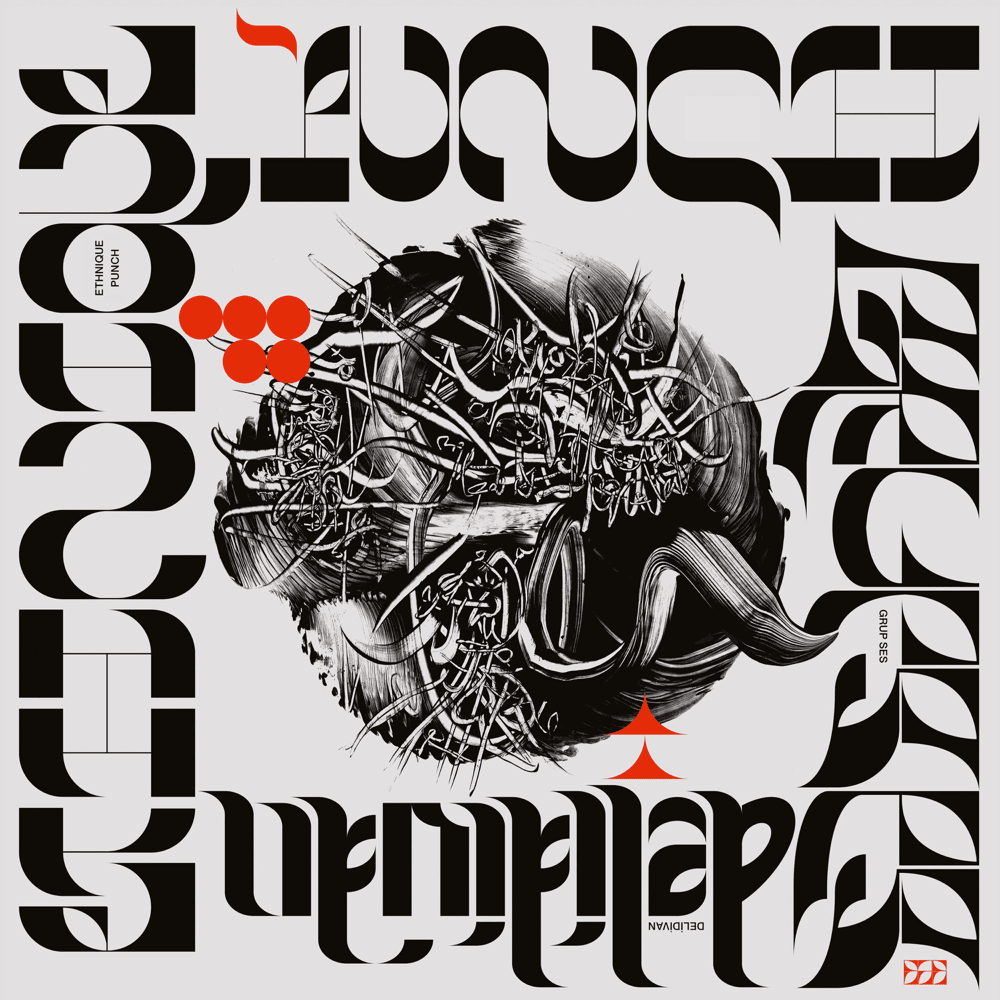
 View Artist