Song Meaning
The lyrics present a jarring juxtaposition of affection and extreme violence. The repeated refrain, "I used to love her, but I had to kill her," immediately establishes a disturbing narrative. This isn't a tale of heartbreak; it's a confession of murder framed by a twisted sense of necessity. The narrator claims to have loved the subject but felt compelled to end her life, a sentiment that is both shocking and deeply unsettling.
The central conflict arises from the narrator's stated inability to simply leave the relationship. Instead of separation, the narrator opts for a permanent solution, "put her, six feet under." This reveals a disturbing possessiveness, a desire to keep the object of affection even after her death. The line, "I knew I'd miss her, so I had to keep her," underscores this, suggesting the murder was an act of preservation, albeit a horrific one. The burial in the backyard further emphasizes this intimate, yet sinister, control.
The most striking aspect of the craft is the casual, almost mundane, delivery of such violent content. The phrase "She b****ed so much, she drove me nuts" is presented as justification, reducing a life to an annoyance. This mundane explanation for murder creates a profound sense of cognitive dissonance for the listener. The narrator's claim that "now we're happier this way" is the ultimate chilling statement, highlighting a complete detachment from reality and empathy.
These lyrics are effective because they exploit the listener's expectation of a typical breakup song and subvert it with brutal finality. The contrast between the initial declaration of love and the violent resolution, coupled with the mundane justifications, creates a deeply uncomfortable and memorable experience. The narrator's warped logic and the chilling assertion of happiness after murder leave a lasting, unsettling impression.
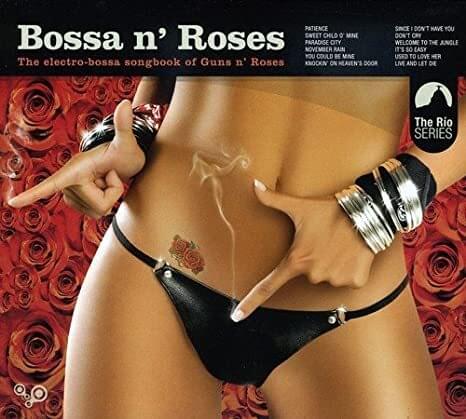
 View Artist