Song Meaning
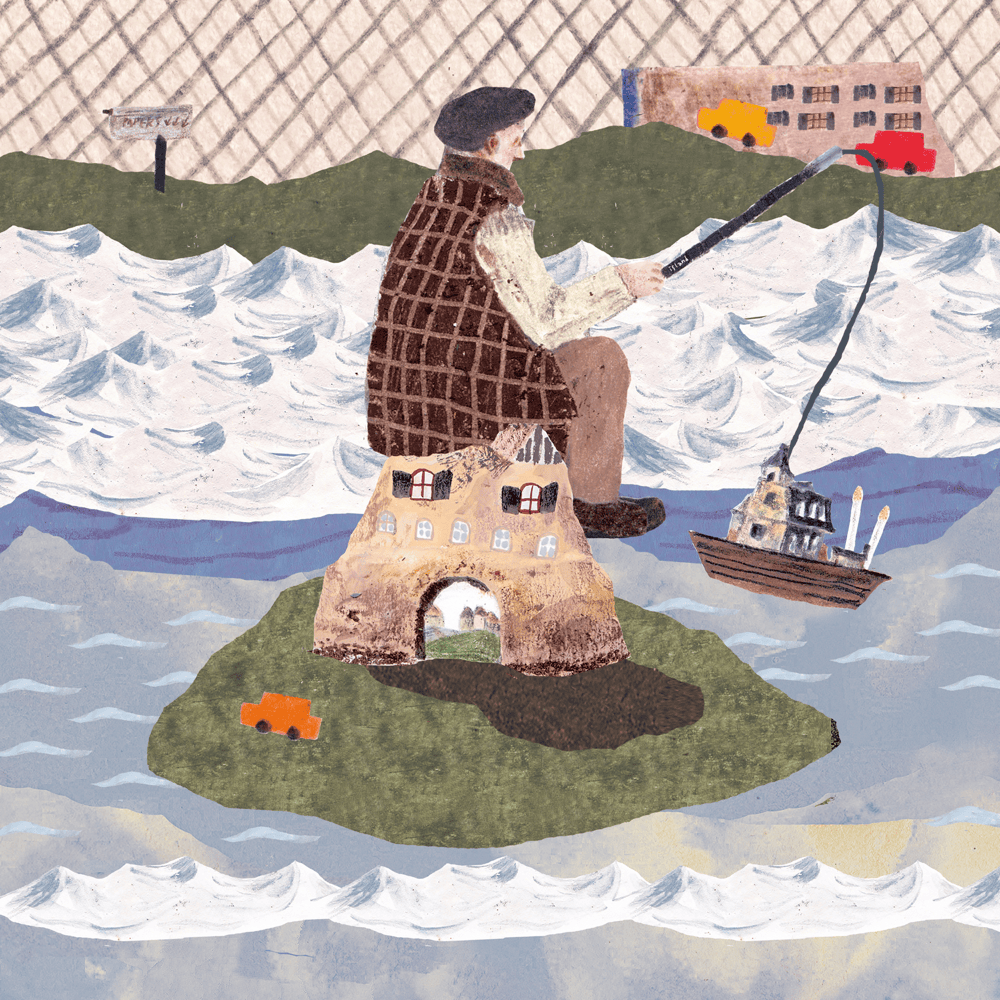
The lyrics paint a picture of isolation and a yearning for escape, centered around the recurring image of "저기 외로운 섬" (that lonely island). The narrator feels confined, "방안에 갇혀선" (trapped in the room), and explicitly states "안돼 outside, outside, outside" (can't go outside), highlighting a sense of being held back. This initial feeling of being stuck is contrasted with a desire for sensory experiences found in nature, like the "오렌지빛 레드향" (orange-red scent) of the tangerine tree and the "푸른빛 바다 내음" (blue sea scent) they wish to smell before a "Black coconut candle" burns out. The repeated "Breathe in" acts as a mantra, a conscious effort to absorb the present moment and perhaps find solace or clarity amidst the confinement.
The core tension lies between the narrator's current state of being "갇혀선" (trapped) and the imagined freedom of the "lonely island." They express a profound sense of regret for what has been missed, "The things that I missed," which seems to fuel the desire for a different path. This longing is so strong it leads to a rejection of conventional aspirations, "인디고 알앤비고 나발이고 간에 / 그냥 다 집어치울래" (Indigo, R&B, whatever, I'll just throw it all away). The lyrics suggest a desire to abandon the complexities of life for a simpler, more authentic existence, even if that existence is solitary, like the "lonely island."
A striking element is the shift from passive observation to active decision-making. Initially, the narrator is "방안에 갇혀선" (trapped in the room) and "가만히 맞을래" (just take it), but later declares, "만약 돌아가는 길이 있다면 / 이젠 피하지 않고 그냥 직진할래" (If there's a way back, I won't avoid it anymore, I'll just go straight). This pivot suggests a newfound resolve to confront challenges directly rather than retreating. The mention of "U-turn and 623" adds a touch of enigmatic specificity, hinting at a personal journey or a specific route, while the contrast between the "먹먹하지만" (heavy/dull) movement of time and the "늘 따뜻하기에" (always warm) shade under the palm trees underscores the emotional complexity of this desired escape.
Ultimately, the effectiveness of these lyrics stems from their raw depiction of feeling stuck and the visceral yearning for sensory and emotional freedom. The simple, insistent repetition of "Breathe in" grounds the listener in the narrator's attempt to cope, while the imagery of the island and the natural world offers a potent, albeit solitary, ideal. The lyrics resonate because they capture that universal desire to break free from the mundane and the pressures of life, even if the destination is a "lonely island" where one can finally "스며들어 떠나자" (dissolve and leave).
 View Artist