Song Meaning
The lyrics paint a stark picture of late-night introspection, with the narrator awake at three, wrestling with thoughts that are literally written down in dark ink on white paper. This act of writing, described as 'writing blackly,' suggests a struggle to articulate deep-seated anxieties or sorrows. The fleeting nature of ink and life itself is quickly established, a somber reminder that even the tools of expression and existence are finite.
The core tension lies in a profound sense of isolation, even amidst crowds. The narrator questions if the listener has ever felt 'alone in the crowd,' a common human experience amplified by the search for solace in the bottom of bottles. This points to a desperate, perhaps failed, attempt to numb or escape internal pain, highlighting a cycle of seeking external remedies for internal wounds.
The writing craft here is sharp, particularly in the contrast between the ephemeral nature of words and faces and the persistent search for something real. The lyrics suggest that the faces sought in the rain, the ones that offer comfort or answers, are ultimately elusive. There's a weariness in the narrator's voice, a resignation to the futility of rehashing the past, as if the energy to retell one's story has been depleted.
Ultimately, these lyrics resonate because they articulate a complex emotional state: the paradoxical comfort found in sadness. The narrator seems to suggest that the listener, like themselves, might secretly 'love sadness, sorrow,' as it provides a strange nourishment and awakens a dormant spirit, even if it's a weary one. This acknowledgment of finding a perverse vitality in melancholy is what makes the piece so compelling and relatable.
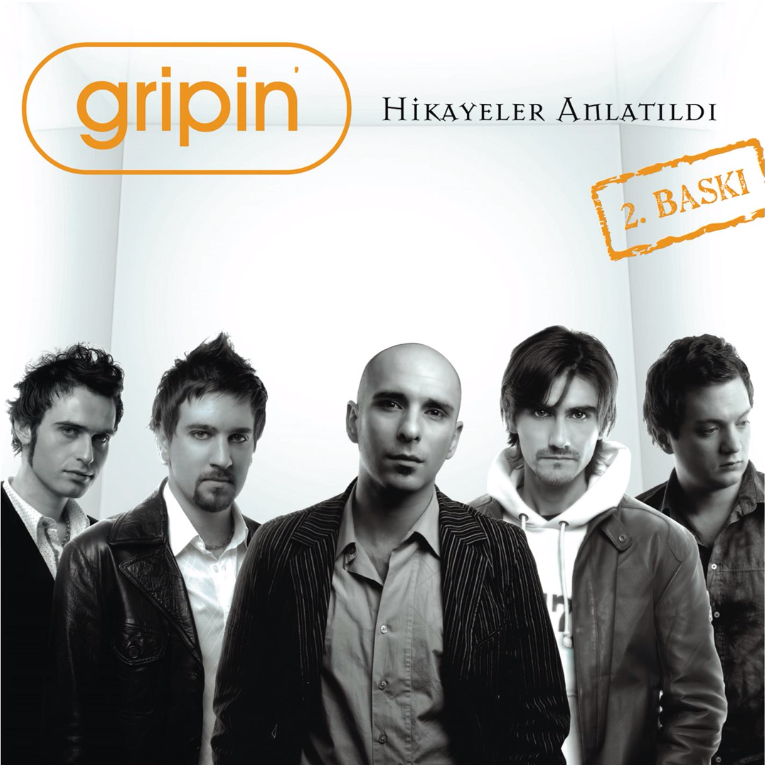
 View Artist