Song Meaning
The lyrics paint a stark picture of a life nearly lost and the subsequent reckoning with what remains. The opening lines confront a subject who lived in a dream, only to nearly die by their own hand, a situation that required immense effort from others to pull them back. This near-death experience, described as being "pulled" for a whole year, serves as a brutal wake-up call, leaving only thirty years of life and a stark imperative: "make a conclusion for yourself." The narrator then lists the conventional markers of a life well-lived – God, mother, work, children, home, family – suggesting this is the perceived outcome for the subject, a life that is "not bad at all."
The core tension lies in the repeated, urgent plea: "Tell me." This isn't a gentle inquiry but a demand for answers from someone who has faced the precipice and returned. The questions are pointed: "What do you know?" and "Where are you flying?" implying a spiritual or existential journey. The narrator presses further, asking about conversations and encounters, but the most haunting question is about how the subject will live now, explicitly referencing the death they experienced and will not forget. This creates a palpable sense of urgency and a demand for meaning from a life that was almost extinguished.
The most striking element is the juxtaposition of the mundane list of life's achievements with the profound existential crisis. The narrator seems to be interrogating the subject's newfound perspective, or perhaps their lack thereof, after such a brush with mortality. The repeated phrase "Tell me" acts as a relentless drumbeat, emphasizing the narrator's need to understand the transformation, or the absence of one, in the face of death. The lyrics suggest a profound disconnect between the external markers of a life and the internal experience of having stared death in the face.
This song hits hard because it captures the raw, almost accusatory, tone that can follow a significant life event. It’s not about gentle reflection, but a forceful demand for an accounting of a life that was almost forfeited. The narrator’s insistence on knowing the subject’s inner world after their near-death experience creates a powerful emotional resonance, forcing the listener to consider what truly matters when life’s fragility is laid bare.
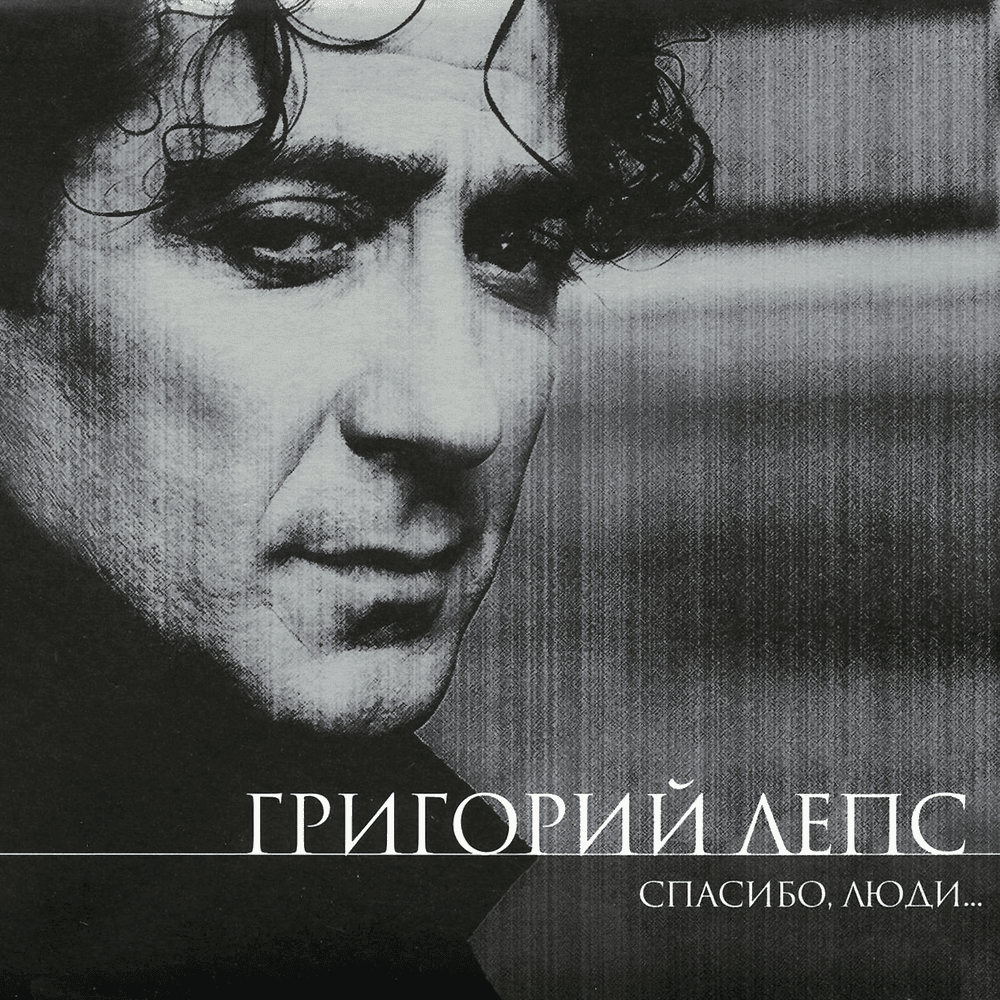
 View Artist