Song Meaning
The narrator is trapped in a relentless cycle of regret and self-destruction. The opening lines hammer home a sense of unchanging despair, asking "How many years?" and immediately answering with "It's all the same." This isn't just a question; it's a cry of existential exhaustion. The narrator laments a lack of money and women, concluding with a bleak "and there can't be." This fatalistic outlook sets the stage for a life defined by failed ambition and addiction.
The core of the narrator's struggle seems to be a desperate, yet ultimately futile, attempt to build a better life. He admits to years of stealing and trying, all in the pursuit of capital, but his efforts are consistently undermined by alcoholism. The phrase "I was drinking myself to death" paints a vivid picture of this self-sabotage. It’s a tragic narrative of potential squandered, where every step forward is immediately canceled out by a slide backward into addiction.
The imagery of destitution is stark and unflinching. "No house, no yard, and no face or skin" creates a profound sense of emptiness and alienation. Even friendships are nonexistent, reinforcing the narrator's isolation. The repeated image of "vodka for three" and the "queen of spades" evokes a grim, solitary ritual, a desperate attempt at companionship or perhaps just a means to numb the pain. The metaphor of "all my pancakes are lumps" is a powerful, folksy way to express that everything he attempts, not just the first try, ends up a failure.
This song hits hard because it’s so brutally honest about the crushing weight of circumstance and personal failing. The repetition of the vodka and card imagery, along with the central question of "how many years," creates a suffocating atmosphere. It’s the sound of someone staring into the abyss, recognizing their own role in their downfall, and feeling utterly powerless to escape it. The lyrics don't offer easy answers or hope, just the raw, unvarnished reality of a life consumed by regret and addiction.
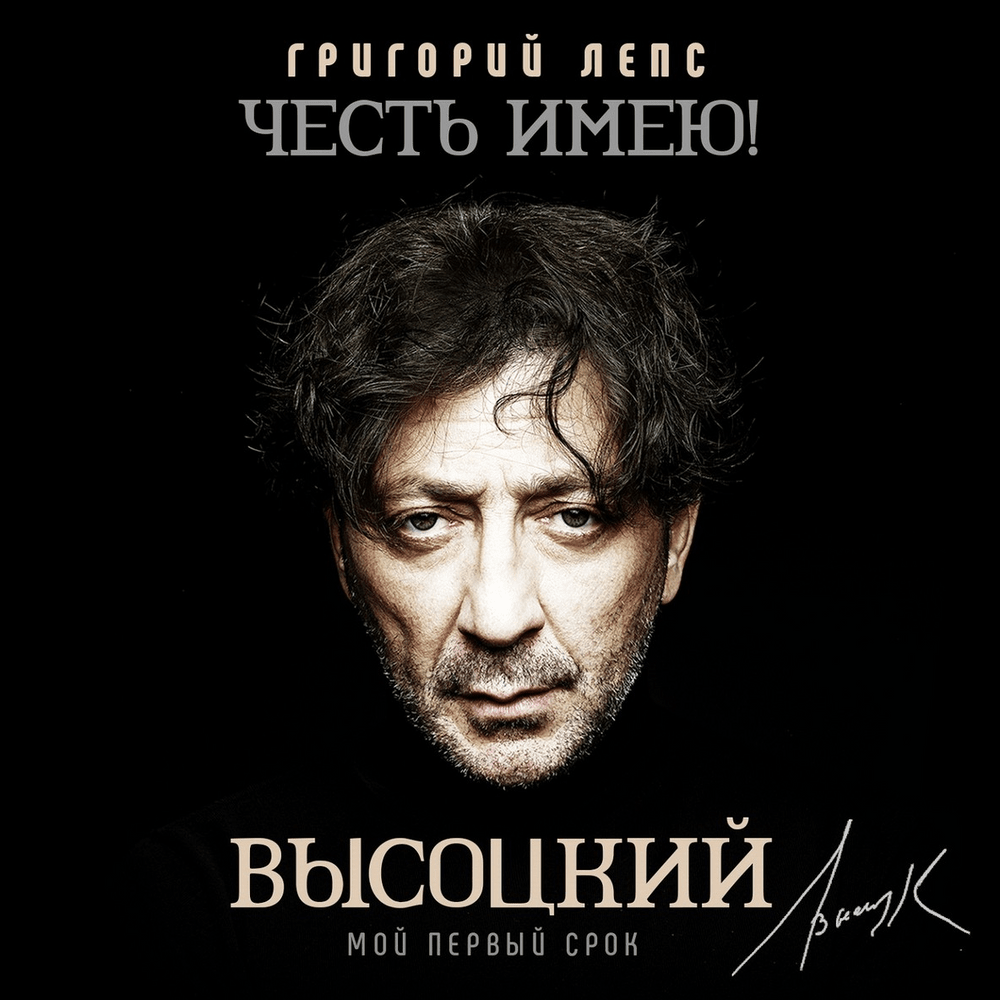
 View Artist