Song Meaning
The lyrics paint a stark picture of relentless, costly assaults on a strategic 'height.' The opening lines immediately establish a brutal contrast: the defenders are 'clinging to the height,' suggesting a desperate, established hold, while the attackers are a 'crowd,' pushing forward with a grim, almost absurd determination, likened to rushing a 'station buffet.' This initial image grounds the conflict in a sense of overwhelming, perhaps even foolish, human momentum against entrenched resistance.
The central tension lies in the cyclical, futile nature of the attacks. The repeated phrase 'seven times we took that height / Seven times we left it' hammers home the devastating lack of progress. The 'hurrahs' freezing in mouths as they 'swallow bullets' is a powerful, visceral image of courage turning to despair mid-action. This repetition underscores a deep weariness, a sense that the objective is always just out of reach, despite immense sacrifice.
The shift in the third verse is palpable. The earth is 'burnt porridge,' a grim metaphor for the devastated landscape and perhaps the attackers' own depleted spirit. Yet, a new resolve emerges: 'The eighth time we'll take it for good / Our own, our blood, ours.' This isn't just about capturing ground; it's about reclaiming something deeply personal and ancestral, a 'blood inheritance.' The repetition here transforms from a symbol of failure to a chant of desperate, almost fanatical, conviction.
Ultimately, the lyrics suggest a conflict driven by an inescapable destiny. The final verse questions the relentless pursuit – 'Can't we go around it?' – but concludes that 'all destinies seem to have crossed on this height.' This elevates the struggle beyond a mere military objective; it becomes a fated convergence point where lives and futures are irrevocably bound. The effectiveness lies in this stark portrayal of human will clashing with brutal reality, transforming a battlefield into a crucible of fate.
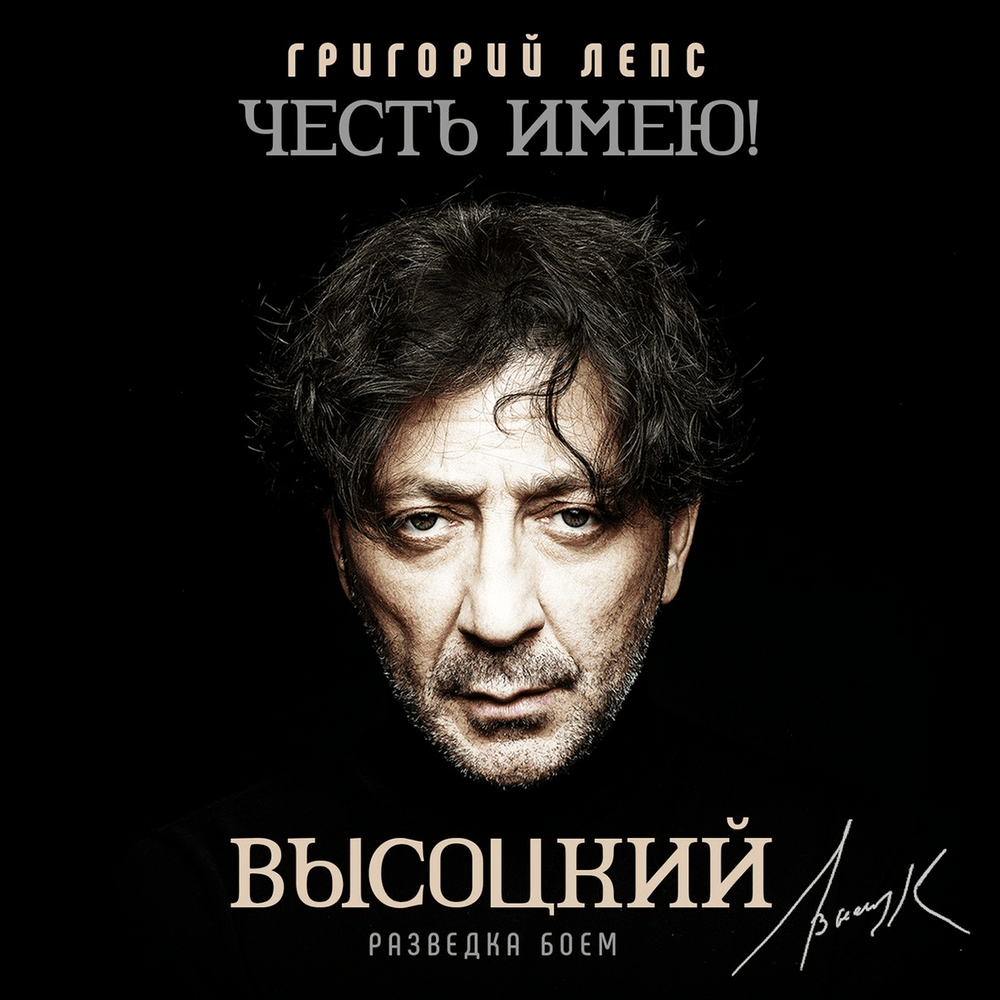
 View Artist