Song Meaning
The lyrics paint a picture of a person who serves as a constant, albeit secondary, option for someone else. The narrator is the "alternate airfield of salvation," a place the subject can land when all else fails. This isn't a primary relationship; it's a fallback, a place of temporary refuge. The subject is described as always on the move, "flying somewhere," possibly not alone, and often disappearing without contact, operating on a familiar pattern without apparent fear. This suggests a transient lifestyle, perhaps one of fame or constant social engagement, where the narrator is a quiet, stable point.
The core tension lies in the narrator's passive, yet essential, role. They are the "permission to land," the "descent" that is granted, but crucially, it's "without attraction, without continuation." This phrase hammers home the transactional nature of the connection: a landing, but no deeper engagement or future. The subject uses the narrator's airfield, but doesn't seem to stay or build anything there. The repeated imagery of flying, landing, and airfields emphasizes this theme of temporary stops and departures.
The most striking craft element is the extended metaphor of the airfield. It's not just a place; it's a "salvation," a "permission to land," and a "descent." This metaphor elevates the narrator's role from merely being available to being a vital, albeit unchosen, lifeline. The contrast between the subject's constant movement and the narrator's static availability is stark. The final verse introduces a poignant twist: "My dispatcher is silent, my airfield is closed, bad flying weather." This suggests the narrator's own availability or willingness to be the fallback is now in question, or perhaps the subject's need has changed, leaving the narrator in a state of unfulfilled readiness.
This writing hits hard because it captures the ache of being a reliable option rather than a desired destination. The consistent, almost resigned, tone of the narrator, coupled with the impersonal language of aviation, creates a sense of quiet desperation. The lyrics don't explicitly state heartbreak, but the "without attraction, without continuation" and the final verse's "bad flying weather" powerfully convey the emotional cost of being an "alternate airfield" – a place always open, but never truly chosen.
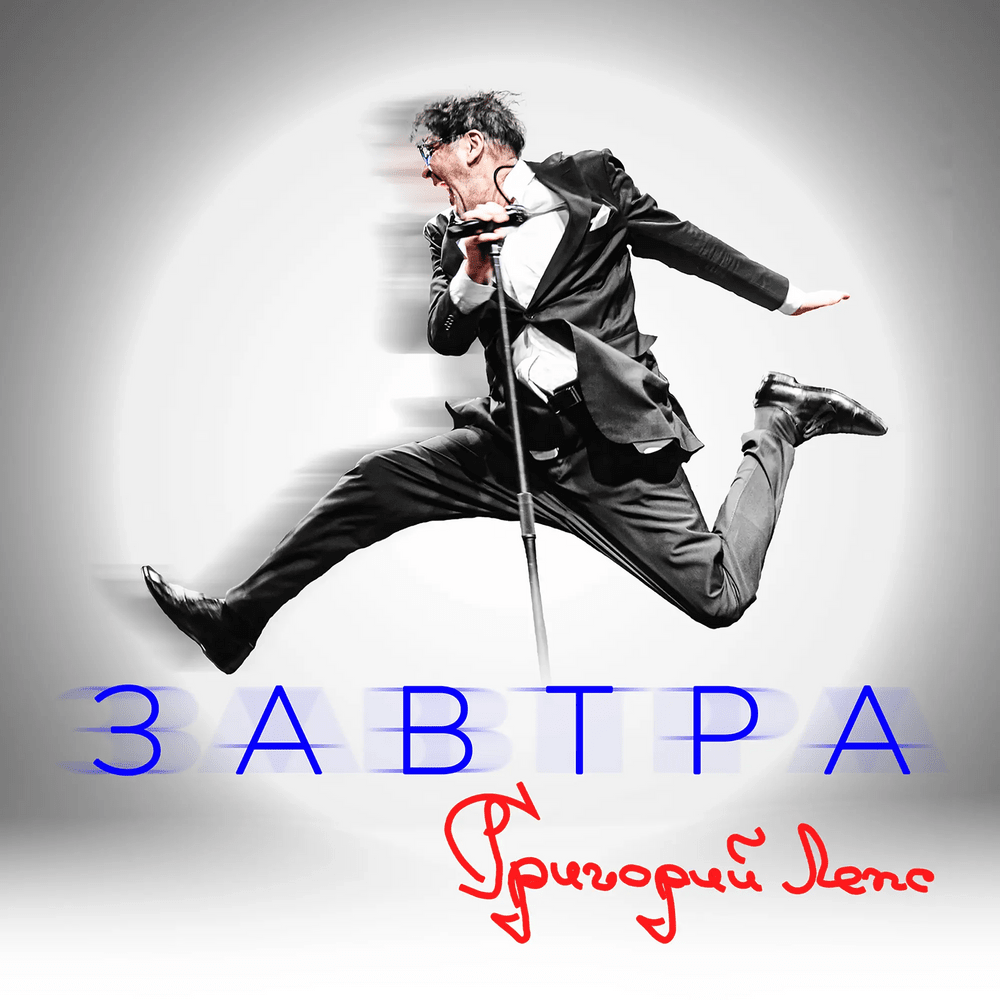
 View Artist