Song Meaning
The narrator is lost, physically and metaphorically, trapped by familiar streets and harbors that have become inescapable. This sense of being bound is amplified by a profound loneliness, a feeling of being perpetually alone that the lyrics state as an unchangeable fact. The imagery of streets and ports suggests a life that has become a fixed, unyielding landscape, preventing any escape or forward movement.
The core tension arises from a past self that held many dreams, contrasted with the present reality of isolation and confinement. The narrator explicitly links this lost state to a lack of "wings" and the presence of "Katinio," implying a relationship or a specific person that, rather than liberating, contributed to this feeling of being grounded and unable to fly. The repetition of "the harbor" emphasizes the cyclical nature of this entrapment, a place of potential departure that instead signifies stagnation.
The most striking element is the stark declaration of perpetual solitude: "I was always alone and I will always be alone." This isn't a temporary state but a fatalistic acceptance of an unchanging condition. The smallness of the harbor, juxtaposed with the narrator's vast, unfulfilled dreams, underscores the crushing weight of this isolation. The lyrics suggest that the very places meant for journeys have become the boundaries of a confined existence.
This piece hits hard because of its raw, unflinching portrayal of inescapable loneliness and lost potential. The directness of the language, particularly the fatalistic pronouncements about being alone forever, cuts through any pretense. It’s the feeling of being stuck in a loop, where even the places associated with escape become symbols of permanent confinement, that makes the narrator's plight so resonant.
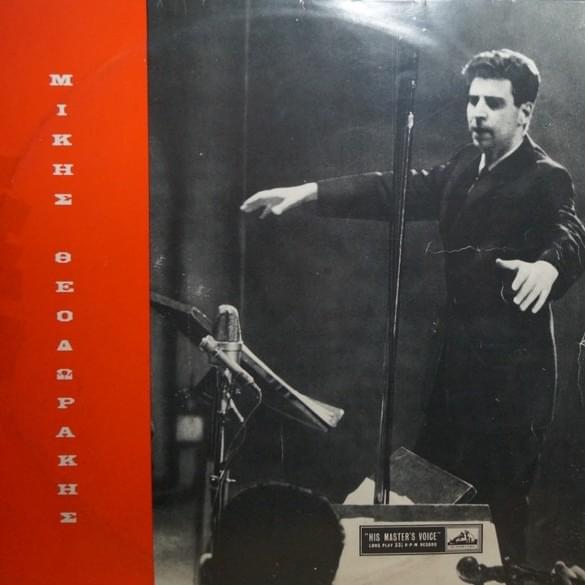
 View Artist