Song Meaning
The lyrics paint a vivid portrait of a lost love, initially described with an almost ethereal grace. The narrator recalls a past where this person was "good and sweet," possessing "all the graces." Images of gentle breezes and the delicate violets of a garden evoke a sense of natural beauty and tenderness associated with them. Their presence is further characterized by a light-footedness, stepping over the threshold "like a tender little deer," their arrival illuminating everything "like gold."
This idealized past seems to have offered the narrator a profound sense of vitality and fearlessness. The narrator claims to have drawn "youth from your youth," feeling so invigorated that they "still faintly smiled." This connection apparently made them unafraid of "old age" and defiant of "death itself." It suggests a relationship that was a source of immense strength and life, a powerful antidote to mortality.
The narrative then pivots sharply to a present of profound desolation and isolation. The narrator is left questioning, "And now where will I hold on?" They feel like a "dry tree" in a "snowy plain," stripped of the warmth and life that person once provided. The imagery shifts from vibrant nature to barrenness, emphasizing a stark and lonely existence.
The final stanzas convey a sense of irreversible loss and disorientation. The narrator asks how they will return "alone" to their "deserted hut," as "night fell at dawn" and the "path hides itself." This suggests a world turned upside down, where light has given way to darkness and direction has been lost. The concluding lines express a deep, unfulfilled longing, a desire for something that "was never heard" and "cannot happen" – to have their lips "burning" while standing "before the spring," a potent metaphor for being close to life-giving solace but unable to partake.
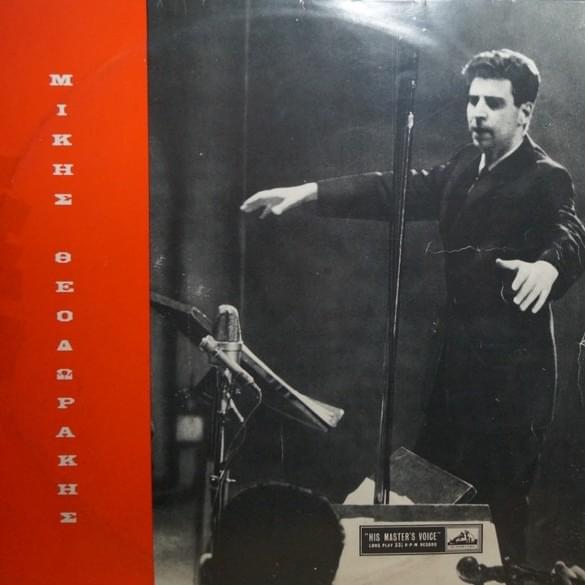
 View Artist