Song Meaning
The lyrics paint a picture of a triumphant procession, a moment where a band's music and a figure called the "Banner-Man" bring a sense of salvation and grandeur to the people. The opening lines establish a scene of collective joy and affirmation, with "people smiled" and the "world was saved" as the music plays. This creates an immediate atmosphere of idealized unity and purpose, centered around the symbolic Banner-Man who is presented as an almost mythical, aspirational figure, "ten feet tall and he touched the sky."
The central tension arises from the contrast between the initial ecstatic, almost religious fervor and the mundane reality that follows. The repeated "Glory, glory, glory" and the call to "Listen to the band / Sing the same old story" suggest a performance or a ritual that, while grand, might be repetitive or even hollow. The narrator's wish to "be a Banner-Man" highlights a desire for that elevated status, but the subsequent description of reaching the square, the music stopping, and forming a "queue" brings the experience back to earth with a quiet, almost anticlimactic finality. The "few were saved" and the "Amen" feel less like widespread salvation and more like a personal, perhaps limited, impact.
The most striking craft element is the juxtaposition of the grand, almost biblical language with the simple, almost childlike descriptions of the band's sounds and the people's reactions. Phrases like "Allelujah in his eye" and "world was saved" are set against the onomatopoeic "boom" of the drums and the "Umba "D"" of the tuba, and the image of "kids and the dogs were laughing." This contrast elevates the ordinary sounds of a marching band into something potentially profound, while simultaneously grounding the lofty claims of salvation in tangible, everyday moments. The shift from the peak of the procession on the hill to the quiet "queue" and the march back down underscores this tension between aspiration and reality.
Ultimately, these lyrics resonate because they capture a fleeting moment of perceived triumph and belonging, tinged with a subtle melancholy. The idealized vision of the Banner-Man and the saved world is powerful, but the return to the "queue" and the "town again" suggests that such moments are temporary. The writing effectively uses simple, declarative sentences and vivid, if basic, imagery to evoke both the exhilaration of collective experience and the quiet realization that the grand spectacle has ended, leaving behind a more ordinary existence.
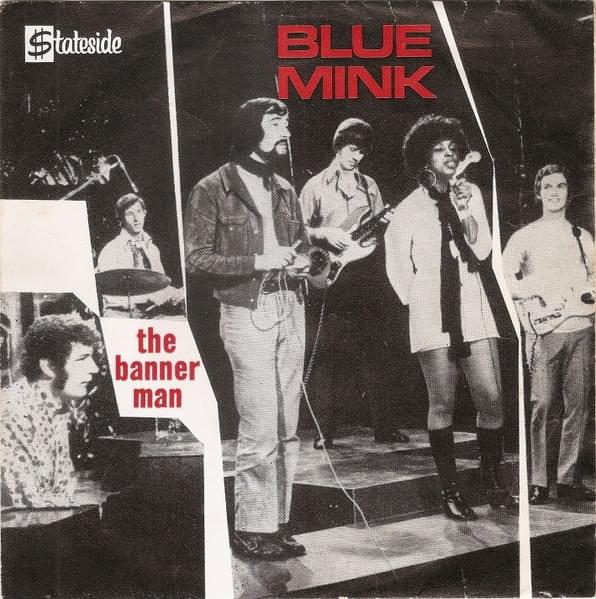
 View Artist