Song Meaning
The lyrics paint a picture of a homecoming, but one steeped in a complex mix of nostalgia and disillusionment. There's a palpable sense of decay and regret, from the "altar boys sneaking cigarettes" to the "friends and neighbors offering their regrets." The imagery of a "station wagon's in the pouring rain" and "water goin' down the drain" immediately establishes a somber, melancholic mood, suggesting a loss of innocence and a sense of things wasted or washed away.
The narrator revisits a past that is both formative and fraught with difficult memories. The "white lace dress for when I turn thirteen" and the "bright red stain that wouldn't quite come clean" hint at a significant, perhaps traumatic, transition into adulthood. The contrast between trying out "sex appeal" and the natural decay of "leaves are turning brown" underscores a personal coming-of-age against a backdrop of inevitable change and loss. The refrain, "This used to be my town," becomes a lament for a place that no longer feels like home, or perhaps, a place the narrator has outgrown.
The encounter by the "swing set in the park" is particularly telling. The act of him tearing "at my new raincoat in the dark" suggests a violation or an aggressive advance, while the narrator's internal monologue focuses solely on "getting through and getting out." This reveals a deep-seated desire for escape, a feeling of being trapped or endangered within the familiar landscape of her childhood. The quietness of the "night could fall without a sound" amplifies the internal tension and the feeling of vulnerability.
The final stanza shifts to a more detached, almost transcendent perspective, with the narrator "flying through the clouds." This aerial view offers a stark contrast to the grounded, often unpleasant memories of the town. The "whole world holds its breath for me" and the mention of "eternity" suggest a moment of profound realization or a spiritual awakening, perhaps a final severing from the past. Yet, even in this elevated state, the "rain is pourin' down," a persistent motif that ties the present experience back to the pervasive sense of sorrow and cleansing associated with the town.
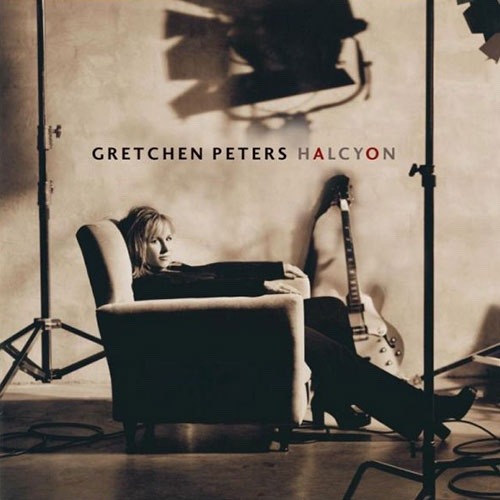
 View Artist