Song Meaning
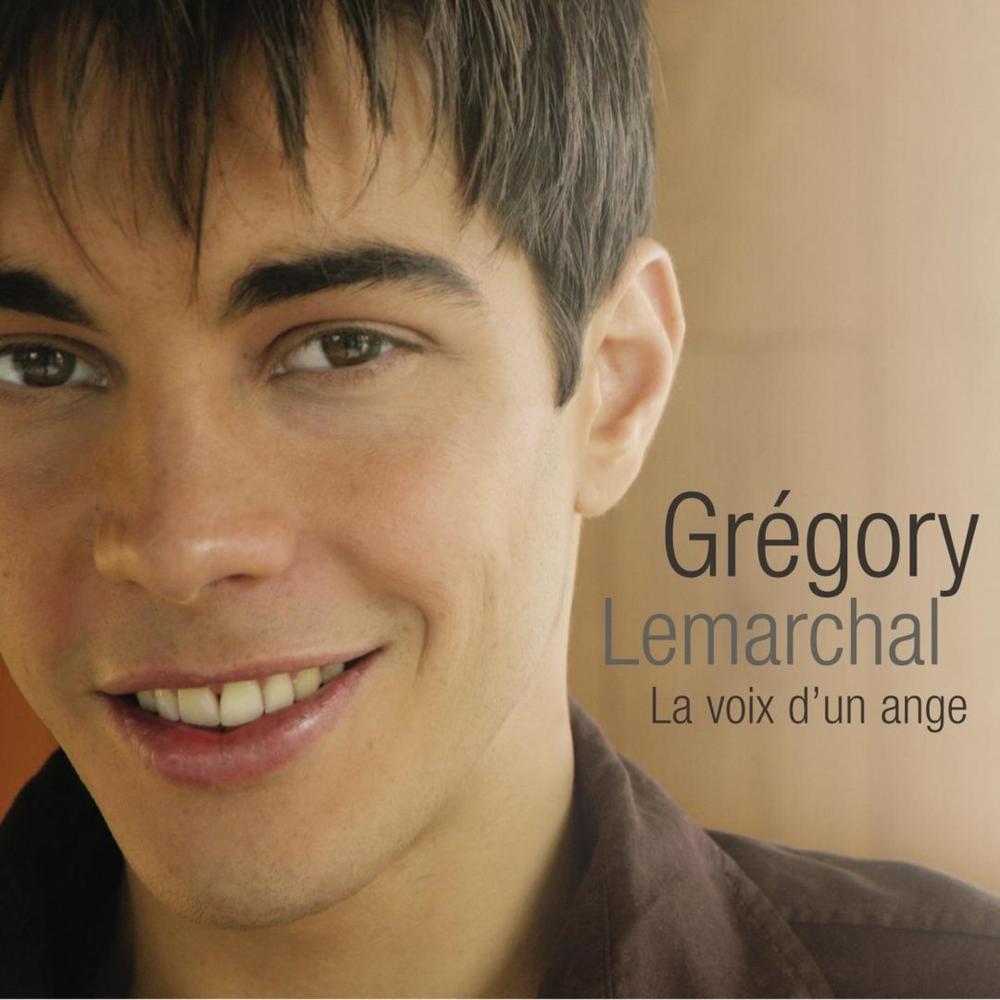
Grégory Lemarchal's rendition of "Con te partirò," popularized globally as "Time to Say Goodbye," transcends a simple farewell; it’s a profound exploration of love as a transformative force against the backdrop of loss and imagined futures. The lyrics, steeped in Italian romanticism, paint a picture of a soul adrift, finding solace and direction solely in the presence of a beloved. The opening lines, "Quando sono solo sogno all'orizzonte / E mancan le parole," immediately establish a sense of yearning and incompleteness, a silence that only the presence of the 'tu' (you) can fill. This absence plunges the narrator into a world devoid of light, highlighting the beloved as not just a companion, but a vital source of illumination and emotional sustenance. It's a codependent sentiment, yes, but framed as the only path to true experience.
The recurring motif of 'partirò' (I will leave with you) is not merely a physical departure, but a metaphorical journey into uncharted emotional territories. The lyrics speak of countries unseen and seas that "no, no, non esistono più," suggesting a willingness to venture beyond the boundaries of reality, into a realm shaped by shared dreams and memories. This speaks to the psychological phenomenon of creating internal worlds with loved ones, spaces where shared experiences become the foundation for a unique reality. The repetition of "Con te io li vivrò" (With you, I will live them) underscores the dependence on the beloved to animate these imagined landscapes, giving them color and life that would otherwise be absent. The song's meaning hinges on this idea: love not as a feeling, but as the very condition of possibility for a full existence.
Ultimately, "Con te partirò" functions as both a declaration of love and a poignant acknowledgement of vulnerability. The singer's reliance on the 'tu' to navigate both real and imagined worlds exposes a deep-seated fear of solitude and a profound belief in the power of connection to transcend the limitations of individual experience. The repeated affirmations – "Tu mia luna, tu sei qui con me / Mio sole tu sei qui con me" – elevate the beloved to almost celestial status, embodying both the guiding light in darkness (moon) and the source of vital energy (sun). Lemarchal's interpretation, given his own battle with cystic fibrosis, adds another layer of meaning, suggesting that love offers a pathway to experience life more fully, even in the face of profound physical limitations. The song becomes a testament to the enduring human need for connection and the transformative power of love to create meaning in a world often defined by its absence.
 View Artist