Song Meaning
This track lays bare a love affair facing parental disapproval, framed by the narrator's defiant stance. The opening lines immediately establish a sense of urgency, a need to voice a truth that's causing anxiety. The core tension revolves around the parents' potential reaction to the relationship, specifically the narrator's "natty dreadlocks," which seem to be the focal point of their opposition. The lyrics paint a picture of a couple deeply in love, whose commitment is being tested by external judgment.
The narrator directly confronts the anticipated parental outcry, questioning "What will mommy say?" and "what will your daddy do?" This rhetorical questioning highlights the perceived severity of the situation. Yet, this concern is quickly overshadowed by a resolute declaration: "But I know that they can never, no / Change I love from you." The repetition of this sentiment across verses underscores the unwavering nature of their affection, suggesting that familial opposition, however strong, is ultimately powerless against their bond.
A particularly sharp observation comes in the repeated accusation that the parents "Always go around like they're a big shot." This detail injects a layer of social commentary, implying that the parents' prejudice stems from a place of arrogance or a desire to maintain a certain image, rather than genuine concern. It frames their opposition not as a protective measure, but as a reaction rooted in superficiality, directly contrasting with the authentic "love" the narrator champions. This contrast elevates the conflict beyond a simple generational clash to a battle between genuine connection and societal posturing.
The effectiveness of these lyrics lies in their directness and the clear emotional stakes they establish. The narrator’s unwavering voice, coupled with the specific, albeit brief, characterization of the disapproving parents as "big shot" figures, creates a compelling narrative of love asserting itself against judgment. The repeated assertion of love's invincibility, despite the acknowledged parental distress ("Mommy will be lonely, I know / Your daddy will be blue"), solidifies the song's core message of defiant devotion.
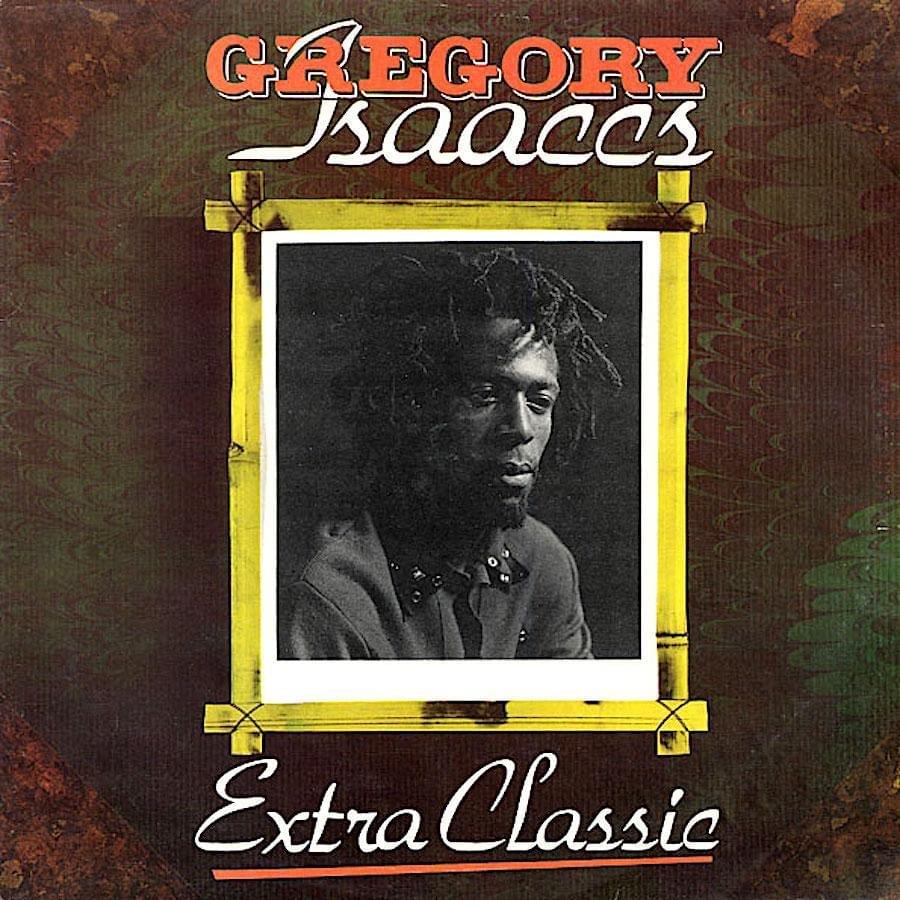
 View Artist