Song Meaning
The lyrics paint a picture of a gritty, late-night urban landscape, tinged with a sense of weary resignation. The opening lines establish a sensory overload of the mundane and slightly unpleasant: the "rubber floor mat," "perfume mixed with cigarette tar," and the harsh light of "morning, bleached out stars." This sets a tone of raw reality, a far cry from romanticized mornings. The narrator seems to be navigating this world after a night out, observing others who are "sleepers, safe and sound" or reveling in the "kids when the bars let out," highlighting their own solitary state.
The central tension emerges from the narrator's internal struggle, juxtaposed with the external world. While the "work" of this existence is described as surprisingly appealing in its own way ("Work will never be this good"), it's also associated with "lonely sunshine" and "darkened luck." The narrator admits to never wanting to "figure you out," suggesting a deliberate avoidance of deeper connection or understanding, yet they find themselves "walking late downtown." This internal conflict between detachment and engagement, between the desire to remain unburdened and the reality of their surroundings, drives the narrative.
The most striking craft element is the recurring motif of reflection and self-perception, culminating in the final lines. The narrator sees their own image everywhere – "mirror on the wall," "morning dew" – to the point of discomfort, wanting to "crawl." However, this self-disgust is suddenly reframed by the realization that their own shine is derived from someone else: "But I don't mind looking if I'm shining off of you." This suggests a profound dependence on another person for self-worth or identity, a dependence that transforms their discomfort with their own reflection into a source of validation when seen through the lens of that other person.
This lyrical construction is effective because it grounds abstract feelings of alienation and self-doubt in concrete, almost tactile imagery. The contrast between the harsh external environment and the internal emotional landscape, particularly the shift in the final lines from self-loathing to a conditional self-acceptance, creates a powerful emotional arc. The narrator’s journey from observing the world to confronting their own reflection, and finally finding a peculiar solace in being seen through another’s eyes, resonates with a complex, often unspoken, aspect of human connection and identity.
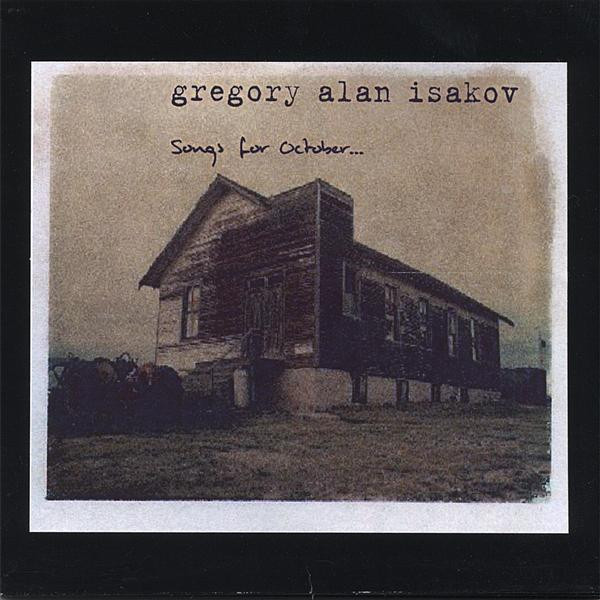
 View Artist