Song Meaning
The lyrics open with a series of evocative questions about identity and role, posing "Were we the hammer / Were we the powder?" This immediately sets a tone of uncertainty, as if the narrator is sifting through past actions and their consequences. The imagery shifts from instruments of force (hammer) to potential energy (powder), then to passive elements of nature (cold evening air, wild geese, tall trees), and finally to a sudden, explosive event (shot in the air). This rapid succession suggests a complex, perhaps volatile, past where the speaker's role is unclear, oscillating between agency and being part of a larger, indifferent natural order.
The central tension seems to revolve around a moment of profound quietude that follows a period of intensity or conflict. The chorus describes "background noise / Goes fading out," leaving only the subtle, intimate detail of "the quiver of a lip." This stark contrast between a presumed past cacophony and the present, almost suffocating silence highlights a significant emotional shift. The "moon's half holding back" adds to this atmosphere of hesitant revelation or withheld emotion, suggesting that even the natural world is observing this quiet, charged moment with a degree of reserve.
Verse 2 introduces a sense of inevitable decline and precarious existence, with the line "Look, we're falling so easy / Like the rain in the dirty south." This simile grounds the abstract feeling of falling in a specific, perhaps melancholic, regional image. The question "Were we living in the lion's mouth?" powerfully conveys a sense of constant danger or being in a perilous situation, implying that past struggles were perhaps unavoidable or even self-inflicted. The repetition of the chorus reinforces the transition from external chaos to internal, quiet reflection, emphasizing the emotional weight carried in the silence.
Ultimately, the effectiveness of these lyrics lies in their ability to create a palpable sense of introspection and emotional residue. The ambiguity of the opening questions, combined with the stark, quiet imagery of the chorus, invites the listener to project their own experiences of past turmoil and present stillness onto the narrative. The writing doesn't provide easy answers but instead crafts a mood of poignant reflection, where the aftermath of action is more felt than described, leaving a lingering sense of unresolved feeling and quiet observation.
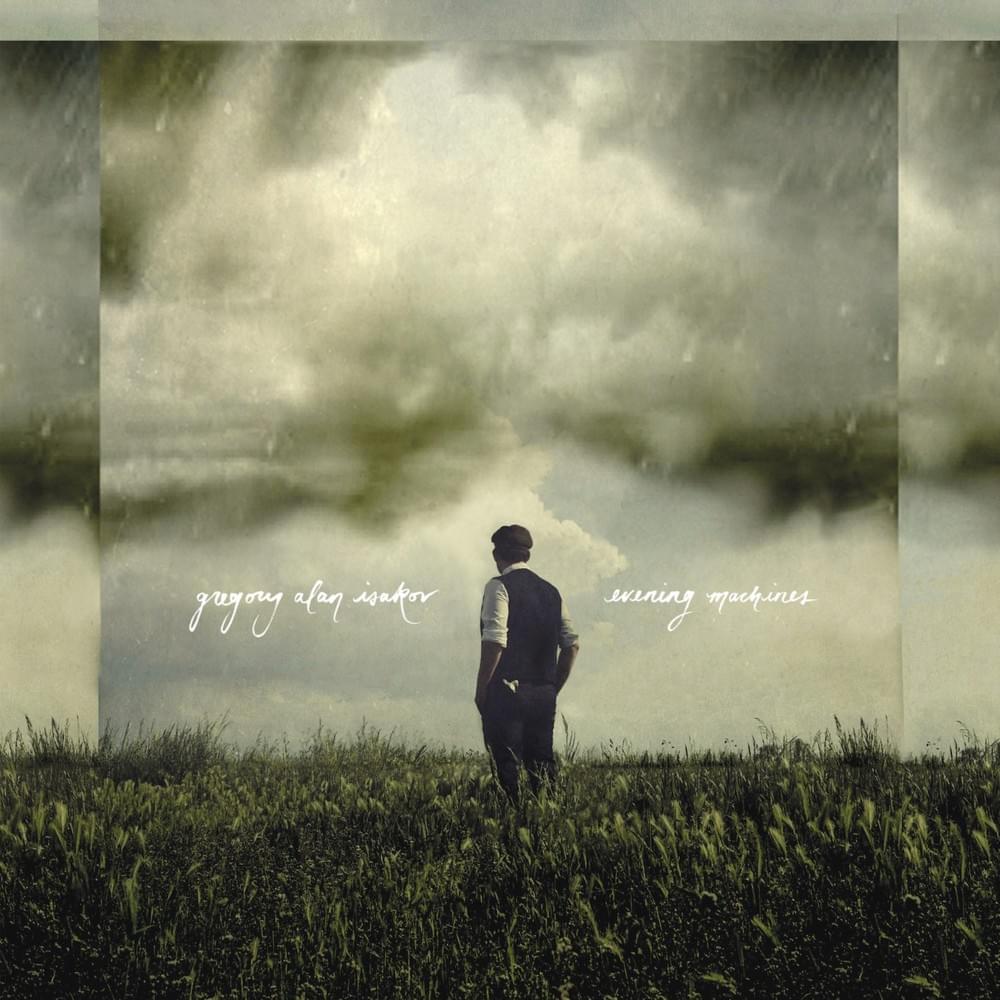
 View Artist