Song Meaning
The narrator wakes someone with a chaotic mix of "poetry and stones," setting a scene of disarray and perhaps a desperate attempt at connection. This initial image, "ragged and the bones," suggests a raw, almost primal state, hinting at a relationship that’s been stripped bare. The memory of a "hazy May" and a fight, "gone hungry for the win," paints a picture of past struggles and intense desire, a fight for something significant.
The core tension emerges in the narrator's admission of losing control: "Here's the part I just lose everything." This breakdown is triggered by a need to elicit a response, cracking a "spark just to hear you sing." The act of creation or disruption is solely for the other person's voice, a desperate plea for them to break their silence or indifference.
The lyrics pivot to a tangible act of clearing out the old: "papers and the trash," "old among the cans." This physical cleansing mirrors a realization that their "golden love gone bad." The narrator then attempts to salvage something, shining it up and aiming it "at the sun," a hopeful gesture that feels impossibly distant, "just a light year from us." This vastness underscores the gulf that has opened between them, making even a simple escape, like a "cab ride," feel like an insurmountable journey.
The arrival of "ravens" suggests ill omens or a darkening atmosphere, as the "simple notes" the narrator cherished "went astray." The repeated refrain, "Everything was up, it's coming down," hammers home a sense of inevitable decline and loss. It’s the stark, almost brutal acknowledgment that what was once high and promising has irrevocably fallen, leaving only the debris and the vast, unbridgeable distance.
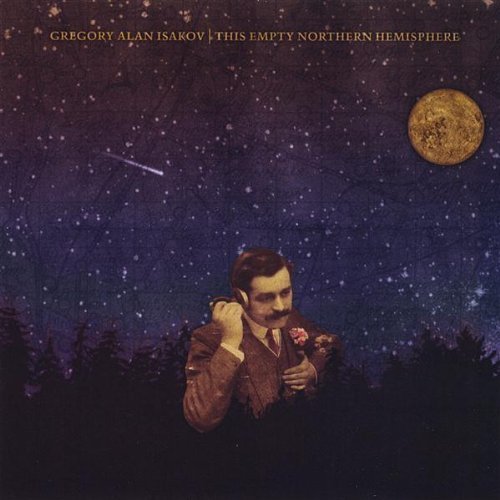
 View Artist